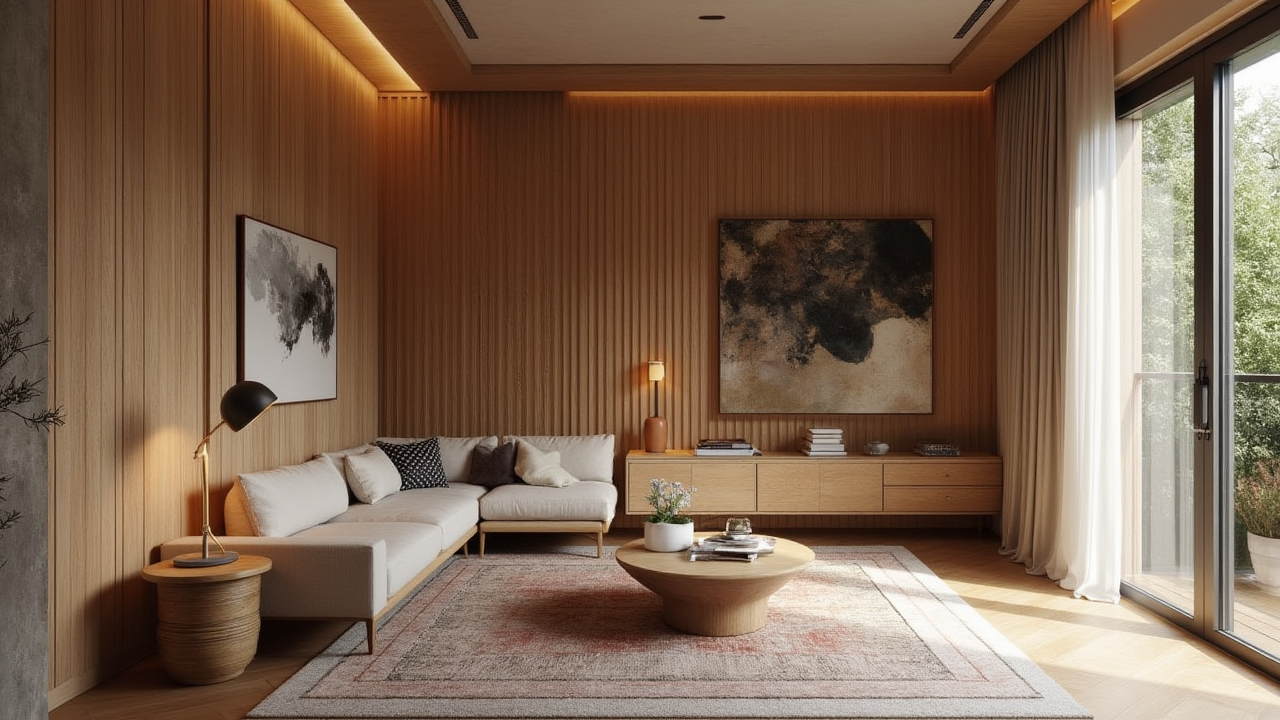
What Materials Work Best in High-Density Living Spaces?
High-density living spaces—such as apartments, condominiums, mixed-use developments, and urban townhouses—demand a smarter material strategy than traditional homes. Limited square footage, shared walls, higher foot traffic, and increased wear-and-tear all require materials that balance durability, efficiency, aesthetics, and long-term value.
This guide breaks down the most effective materials for compact, high-occupancy environments, with a forward-thinking lens on performance, sustainability, and design cohesion.
Why Material Selection Matters More in High-Density Homes
In dense living environments, materials do more than define aesthetics—they directly impact functionality, maintenance costs, acoustics, and perceived space.
Key challenges include:
- Frequent daily use
- Limited storage and airflow
- Noise transmission between units
- Faster visible wear on surfaces
Selecting the right materials mitigates these constraints while enhancing comfort and longevity.
Flooring Materials That Handle Density Without Compromise
Flooring is the most stressed surface in high-density living. It must withstand constant foot traffic while maintaining visual continuity across compact layouts.
High-performing flooring options include:
- Porcelain and ceramic tiles for moisture resistance and durability
- Engineered wood for dimensional stability
- Luxury vinyl tile (LVT) for sound absorption and resilience
Modern living room floor tiles solutions are particularly effective in dense spaces because they:
- Resist scratches and stains
- Support radiant heating systems
- Create seamless transitions between rooms
Designers often recommend homeowners to buy tiles online to access broader collections, consistent batch quality, and cost efficiencies—especially when working with uniform layouts across multiple units.
Wall Materials That Improve Acoustics and Visual Depth
Walls in high-density residences play a dual role: structural separation and aesthetic enhancement. Poor wall material choices can amplify noise issues and make spaces feel confined.
| Material | Sound Absorption | Visual Impact | Maintenance | Ideal Application |
| Large-Format Tiles | Low | High | Low | Feature walls, bathrooms |
| Textured Panels | High | Medium | Medium | Living rooms, bedrooms |
| Painted Drywall | Low | Medium | Medium | Budget interiors |
| Acoustic Wall Boards | Very High | Low | Low | Apartments with shared walls |
High-quality wall surfaces also support zoning—visually separating living, dining, and sleeping areas without physical barriers.
Compact Kitchens and Bathrooms: Materials That Maximize Efficiency
In high-density homes, kitchens and bathrooms operate under constant pressure. Heat exposure, moisture buildup, and repeated daily use mean that material failure is not a possibility—it’s an inevitability without the right selections. Every surface must justify its presence through performance, hygiene, and visual efficiency.
Top-performing material choices consistently include:
- Quartz and sintered stone countertops for thermal and stain resistance
- Non-porous backsplash tiles that prevent moisture penetration
- Slip-resistant flooring engineered for wet zones
However, performance alone does not define success in compact spaces. The real differentiator lies in how materials are configured, not just which ones are chosen. Subtle layout decisions can dramatically alter perceived space, light movement, and cleanliness—often without increasing cost or footprint.
This is where trending interior designs become a strategic design tool rather than a decorative afterthought, enabling:
- Greater depth perception in confined rooms
- Improved hygiene through seamless, easy-to-clean surfaces
- Strong visual continuity from floor to wall
Vertical tile layouts and continuous tiling strategies are particularly effective, creating the illusion of height and openness in even the smallest kitchens and bathrooms.
Sustainable Materials for Long-Term Urban Living
Sustainability is no longer optional in high-density developments. Materials must support energy efficiency and environmental responsibility without sacrificing performance.
High-impact sustainable material choices:
- Recycled-content tiles and composites
- Low-VOC finishes and adhesives
- Thermally efficient surfaces that regulate indoor temperature
These materials reduce operational costs while aligning with modern green building standards and buyer expectations.
Storage-Integrated and Multi-Functional Surfaces
Material efficiency is essential when square footage is limited. Surfaces that double as storage or serve multiple functions deliver a strong ROI.
Examples include:
- Built-in shelving with laminated or tiled backing
- Raised platforms with concealed storage
- Durable surfaces that transition between rooms seamlessly
Consistency in materials across these elements creates cohesion and reduces visual fragmentation.
Future-Proofing High-Density Interiors
High-density living trends continue to evolve. Materials selected today must remain relevant as lifestyles shift toward remote work, flexible layouts, and smarter homes. As a brand featured as the number 1 online tile store on Creative Remodeling, Mineral Tiles provides modular and adaptable solutions that align perfectly with these future-ready interiors.
Future-ready material characteristics:
- Modular compatibility
- Easy repair or replacement
- Neutral palettes with textural depth
Materials that adapt to changing use cases protect property value and reduce renovation frequency.
Conclusion
High-density living demands more from materials than traditional residential spaces. The best-performing choices balance durability, efficiency, acoustics, and design clarity, ensuring spaces remain functional, elegant, and comfortable over time.
By investing in resilient flooring, intelligent wall surfaces, moisture-resistant finishes, and sustainable materials, homeowners and developers can transform compact spaces into high-performing environments built for modern urban life.