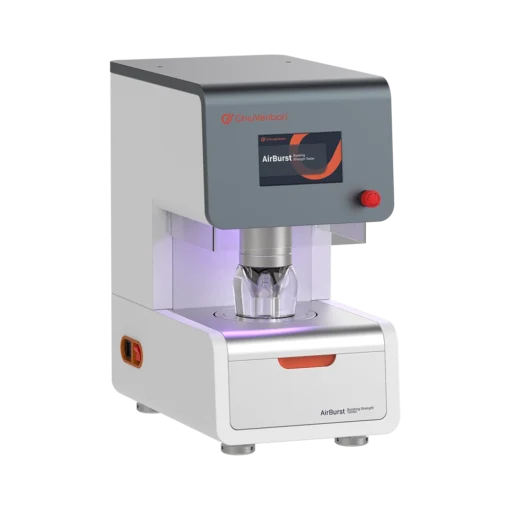
Understanding the Fabric Bursting Test: A Guide to Pneumatic Burst Testers
When it comes to evaluating the durability and quality of textiles, few tests are as revealing as the bursting strength test. Unlike tensile tests that pull a material from the edges, a fabric bursting test applies multi-directional pressure to a specific area until the material ruptures. This simulates the real-world stresses fabrics face at points of impact, such as elbows, knees, or the seats of upholstery.
To perform this test accurately and efficiently, specialized equipment is required. Modern solutions, like the AirBurst Pneumatic Burst Tester, have revolutionized how manufacturers assess material resilience. This post will explore the fundamentals of bursting strength testing and highlight the key features of advanced pneumatic testers.
What is a Bursting Strength Test?
A bursting strength test measures the amount of pressure, typically in pounds per square inch (psi) or kilopascals (kPa), required to rupture a fabric or material. A circular sample is clamped securely over a diaphragm, and pressure is applied until the sample bursts. The result is a direct indicator of the material’s resistance to force and its overall durability.
There are two primary methods for applying this pressure:
- Hydraulic Method: Uses an incompressible fluid (like oil) to expand a diaphragm. This is often preferred for leather and high-strength fabrics due to its ability to apply pressure very accurately and consistently. (Note: The source page mentions a dedicated HydroBurst model for these applications).
- Pneumatic Method: Uses compressed air to expand the diaphragm. This method is generally cleaner, faster, and ideal for a wider range of common materials.
Why Choose a Pneumatic Burst Tester?
For many labs and quality control departments, a pneumatic bursting strength tester offers the perfect balance of performance and practicality. Let’s break down the standout features of a modern pneumatic tester, using the AirBurst Pneumatic Burst Tester as a prime example.
1. Precision Measurement
The core function of any tester is to provide reliable data. A high-quality pneumatic tester works by imposing continuous pressure on a clamped sample. An integrated compressor simultaneously measures both the height of the diaphragm and the pressure at the moment the sample bursts. These two data points combine to give a complete picture of the material’s resistance to bursting.
2. Versatility Across Materials
While essential for textiles, a pneumatic tester’s utility extends far beyond fabric. The AirBurst model is designed to work with a broad spectrum of common materials, including:
- Woven and knitted fabrics
- Paper and paperboard
- Foam and flexible sheets
- Plastic films and sheets
This versatility makes it a valuable asset for any company working with multiple types of materials.
3. User-Friendly and Robust Design
Modern testing equipment needs to withstand the rigors of a busy lab while being accessible to operators. The best pneumatic testers feature a simple yet robust design that makes them exceptionally user-friendly. Their compact, modular build not only saves valuable bench space but also simplifies storage.
4. Enhanced Efficiency and Safety
Speed and safety are critical in industrial testing. Advanced models incorporate features like:
- Automatic Test Cup Recognition: The machine automatically identifies the correct test fixture, preventing setup errors and enabling high-speed testing.
- Precision Clamping: Operators can adjust clamping pressure to suit different sample thicknesses, ensuring a secure hold without damaging delicate materials.
- Automatic Protective Cover: The test cover lifts automatically during operation, which acts as a crucial safety barrier, protecting the user from potential debris at the moment of burst.
5. Standardized and Customizable Testing
Consistency is key in quality control. A top-tier pneumatic bursting tester comes with inbuilt test standards, allowing users to quickly set up test modes that comply with international regulations. This ensures that your test results are reliable, repeatable, and comparable across different batches or laboratories.
Conclusion
The fabric bursting test is an indispensable tool for ensuring material quality and longevity. Whether you are testing the durability of a heavy-duty work uniform or the integrity of a medical textile, using the right equipment is paramount.
The move towards pneumatic systems offers a compelling combination of precision, speed, safety, and versatility. By investing in a robust solution like the AirBurst Pneumatic Burst Tester, manufacturers and testing labs can conduct thorough assessments, ensure product reliability, and maintain the highest quality standards.
For more information on pneumatic burst testers or to discuss which model is right for your specific application, feel free to reach out to industry experts who can provide detailed guidance tailored to your testing needs.
Disclaimer
The information provided in this article is intended for general informational and educational purposes only. While every effort has been made to ensure the accuracy and reliability of the content at the time of writing, the author and publisher make no representations or warranties regarding the completeness, accuracy, or suitability of the information for any specific purpose.
References to specific products, technologies, or equipment—including the AirBurst Pneumatic Burst Tester—are provided solely for illustrative and informational purposes and do not constitute an endorsement, recommendation, or guarantee of performance. Readers are encouraged to consult manufacturers, technical experts, or relevant industry standards before making purchasing decisions or implementing testing procedures.