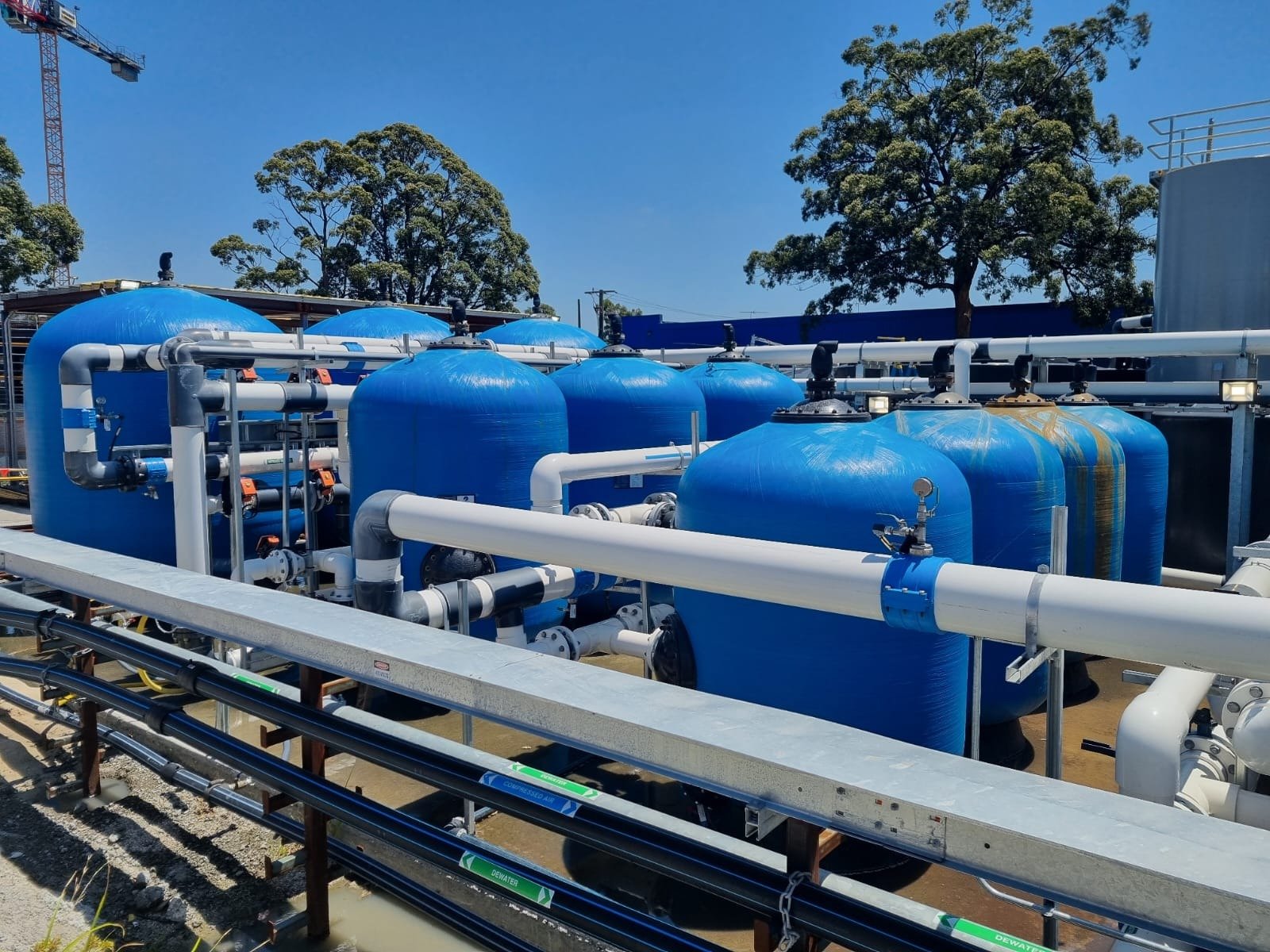
Understanding FRP Vessel Pressure Ratings and Their Importance
Industrial and commercial water treatment equipment operate safely and effectively because they make extensive use of robust pressure-resistant tanks. Modern water plants select FRP vessels for their filtration systems because these vessels deliver exceptional strength with chemical resistance and long-lasting system performance. Any FRP vessel depends heavily on its pressure rating to determine operational capacity and safety. Safe system operations together with optimal performance and long-lasting reliability depend heavily on understanding the meaning and importance of pressure ratings within FRP vessels.
We establish a complete understanding of FRP vessel pressure ratings within filtration systems together with an explanation of why companies trust FRP Vessels Suppliers in UAE to provide correct water treatment plant specifications.
1. What Are FRP Vessel Pressure Ratings?
Pressure ratings define the highest operational pressure an FRP vessel can maintain safely from inside without damage. FRP vessels use PSI (pounds per square inch) or bar to measure their pressure ratings because this data helps match vessels to filtration systems requirements.
Standard pressure ratings for FRP vessels extend to:
- 100 PSI
- 125 PSI
- 150 PSI
- 200 PSI
Determination of the proper rating depends on:
- The operating system used for filtration
- Pumping power output
- System operating pressure within the industry plant
- Water treatment method depending on TDS and salinity content and contaminants present
- The media type of the vessel such as sand, carbon elements or softener resin or combined materials
A Water Treatment Company in UAE needs to select vessels based on pressure ratings that match system requirements to prevent leaks and protect against mechanical failures.
2. Why Pressure Ratings Matter in Water Filtration Systems
FRP vessels maintain their integrity when handling pressurized water streams continuously. Inadequate vessels break down and develop cracks that lead to component failure which create prolonged system shutdowns and threaten property.
The following list explains why pressure ratings serve critical operational roles:
Ensures Safe Operation
Vessel walls may suffer extreme forces when water flows at high pressures. Because the FRP tank does not support operation at this pressure level it will:
- Deteriorate into an abnormal shape
- Show micro-scale breakages
- Suddenly break apart completely
Ratings derived from pressure standards protect operations and personnel from hazardous risks.
Maintains Filtration Efficiency
Stable pressure allows for:
- A consistent flow rate
- Maximum media functioning
- Prevention of vessel channeling
- Operational filtration quality
Performance suffers when vessel pressure limits are breached thus causing a reduction in final output water quality. The high-quality FRP Vessels in UAE provided by specialists design their units for the conditions found in local water sources.
Enhances System Durability
Systems that maintain proper pressure become less stressed because vessels experience less pressure fluctuations. These systems deliver:
- Extended operational lifetime
- Additional components per replacement cycle
- Expenses that decrease maintenance
- Improved properties against thermal expansion
FRP Vessels Suppliers in UAE who provide certified products become the preferred source for durability because of their regulatory compliance.
3. Why FRP Vessels Are Built for High Pressure
Manufacturers build FRP (Fiberglass Reinforced Plastic) vessels from three or more combined composite layers. The multiple layers protect vessels from both external impacts and internal system stresses.
The following features stand out as important:
- Several layers of strength with thick outer fiberglass windings
- Located inside polyethylene liner protects against surface chemicals
- High-grade resin coating for increased strength
- Constant surface thickness achieves reliable pressure distribution
The manufacturing technique that produces FRP vessels delivers an excellent balance between strength and lightness that leads to high reliability at pressure levels surpassing that of steel tanks.
The increasing number of commercial filtration plants choose FRP Vessels in UAE because they offer superior performance compared to traditional metal tanks.
4. Different Pressure Classes of FRP Vessels and Their Uses
There is no single standard pressure requirement for all filtration applications. Continuous safety and operational efficiency demand the proper pressure rating classification selection.
Different pressure ratings enable the following uses:
100 PSI Vessels
These vessels suit:
- Applications for residential water filtration systems
- Space-constrained systems using commercial RO technology
- Competent low-pressure sand and carbon filter systems
Many small-scale installations receive supply from FRP Vessels Suppliers in UAE because these vessels provide excellent durability for low-pressure systems.
125–150 PSI Vessels
Suitable for operations of middle-size including:
- Industrial water treatment plants with RO technology
- Softener plants used in industry
- Carbon filters of middle-size
- Treatments for food and beverage products
This category provides commercial plants with an appealing combination of strength and price.
200 PSI Vessels
These vessels serve:
- Operations using high-pressure reverse osmosis technology
- Large-scale water purification plants for industrial applications
- Government-managed water treatment operations
- High TDS water sources
Water Treatment Companies in UAE rely on these vessels because they can handle the demanding operating conditions of large-scale industrial facilities.
5. How Pressure Ratings Affect Filtration Performance
Your system’s efficiency and reliability depend on the correct selection of pressure-rated FRP vessels. The influence of pressure ratings on system performance goes as follows:
Optimized Media Functioning
Water movement through these media types depends on pressure:
- Sand-based media
- Activated carbon elements
- Resin bead formations
- Multi-layered multimedia technology
The right pressure level produces a consistent flow throughout the vessel that stops channel formation with media displacement thus achieving superior output water quality.
Preventing Structural Damage
Exceeding pressure limits causes:
- Bulges in the vessel
- Structural cracks
- Delamination of the inner liner
- Water leakage
Vessel failures become certain when pressure exceeds their designated capacity. Selecting certified FRP Vessels in UAE eliminates this operational risk.
Energy Efficiency
Pumping systems reduce their power requirements because appropriate pressure eliminates pump overwork conditions. Consequently:
- The system uses fewer watts of electricity
- The operation period of the pump systems grows longer
- System performance achieves steady operation
Unacceptable vessel pressure ratings generate backflow problems that stress the pump and degrade water output quality.
6. Environmental and Climatic Factors in the UAE
UAE-based FRP vessels must endure:
- Extremely high ambient temperatures
- Elevated total dissolved solids content
- Heavy chemical exposure
- Difficult water hardness levels
- Desert humidity combined with ultraviolet radiation
Selecting the right pressure-rated vessel becomes essential due to the demanding conditions in the UAE. FRP Vessels Suppliers in UAE delivers climate-specific products to meet UAE’s environmental conditions.
7. Importance of Choosing the Right Supplier
Pressure-rated FRP vessels from certified suppliers provide customers with:
- Verified manufacturing procedures
- Strong pressure-resistant construction
- Premium quality resin and fiberglass components
- Adherence to safety regulations
- Established warranty support systems
To avoid system failures and maximize system performance over the long-term a Water Treatment Company in UAE should choose suppliers with an experienced background.
8. How to Choose the Correct Pressure Rating for Your System
The selection of pressure rating depends upon:
- The pressure generated by the pump
- The kind of filtration technology employed
- Required flow volume
- Kind of impurities contained in the water stream
- Quantity of media inside the vessel
- Highest expected pressure surges
- The operating temperature norms of the system
The ideal pressure rating is calculated through a comparison of operating pressure to maximum safety pressure by professional engineers.
Conclusion
The selection of an FRP vessel for water filtration systems depends strongly on their pressure ratings. This measurement helps guarantee proper operation safety and media performance as well as system endurance over time. The flexible pressure handling properties of FRP vessels make them the leading choice for residential and commercial filtration plants in addition to industrial plants throughout the UAE.
A combination of high-quality FRP Vessels in UAE and reliable FRP Vessels Suppliers in UAE ensures your water treatment system functions securely with zero unexpected halts. To achieve maximum system performance together with enduring success, Water Treatment Companies in UAE must know and use the correct pressure rating.