The Advantages of Low Noise Robot Vacuums
Introduction
The quest for a clean home often clashes with the desire for a peaceful environment. Traditional vacuum cleaners, while effective, can be disruptive due to their high noise levels. This is where the low-noise robotic vacuum emerges as a superior solution, especially for those who value tranquility. These devices offer the convenience of automated cleaning without the intrusive noise, making them ideal for various living situations.
Benefits of Quiet Operation
Uninterrupted Daily Activities
One of the primary benefits of a quiet robotic vacuum is its ability to clean without disrupting daily activities. Unlike traditional vacuum cleaners that can drown out conversations, phone calls, or focused work, low-noise models operate at a significantly lower decibel level. This allows individuals to continue their tasks, whether working from home, studying, or simply relaxing, without the annoyance of a loud cleaning appliance.
Suitable for Homes with Children and Pets
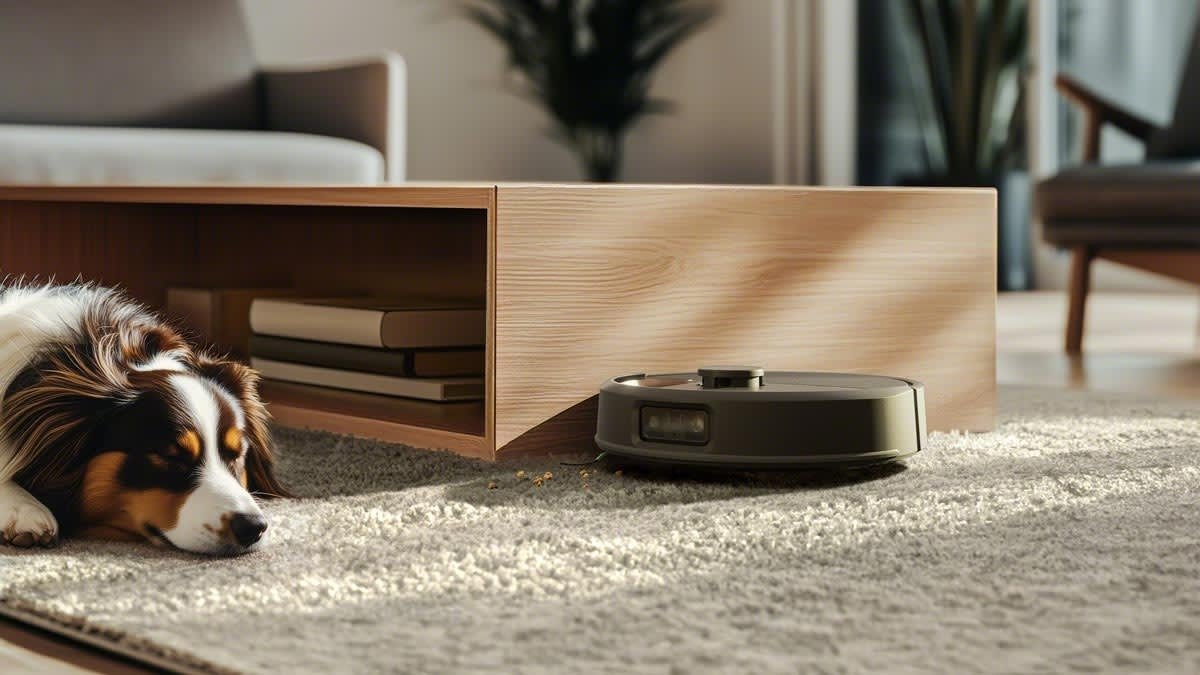
Homes with babies, young children, or pets are particularly well-suited for quiet robotic vacuums. Loud noises can startle or upset infants, making it challenging to maintain a peaceful home environment. Similarly, pets may become anxious or fearful of loud vacuum cleaners, leading to stress and behavioral issues. A low-noise robotic vacuum minimizes these disturbances, ensuring a calmer environment for both children and animals.
Ideal for Nighttime Cleaning
The quiet operation of these vacuums makes them perfect for nighttime cleaning. Scheduling a cleaning session during the night allows residents to wake up to a freshly cleaned home without sacrificing daytime peace. This is especially beneficial for those with busy schedules who may not have time to run a vacuum during the day. Moreover, nighttime cleaning minimizes disruption to neighbors, particularly in apartment buildings with thin walls.
Reduced Distraction
A quiet robot vacuum and mop reduces distractions, promoting a more focused and productive atmosphere. High noise levels can hinder concentration, making it difficult to work, read, or engage in other activities that require mental focus. By minimizing noise pollution, these vacuums help create a more conducive environment for concentration and relaxation.
Key Features to Consider
Decibel Levels
When selecting a quiet robotic vacuum, it is important to check the decibel (dB) level listed in the product specifications. Typical vacuum cleaners can produce noise levels as high as 90 dB, while quieter models operate around 60 to 70 dB. The quietest options may even fall as low as 55 dB, making them barely noticeable during operation. Choosing a model with a lower dB rating ensures minimal disruption.
Anti-Tangle Technology
Another aspect to consider is whether the vacuum has anti-tangle technology. Hair and debris can become wrapped around the brushes, causing the motor to work harder and increasing noise levels. Vacuums with anti-tangle features prevent this issue, ensuring quieter and more efficient operation.
Suction Power and Multiple Modes
It is important to ensure that the robotic vacuum maintains its quiet noise levels across different suction modes. While some models may be quiet on lower settings, they can become significantly louder when the suction power is increased. Opting for a vacuum that remains relatively quiet even at higher suction levels ensures effective cleaning without excessive noise.
Floor Type Adjustment
The type of flooring in a home can impact the noise level of a robotic vacuum. Hard surfaces like tile or hardwood can amplify the sound of the brushes and wheels, while carpets and rugs tend to dampen the noise. Some advanced models feature automatic floor type adjustment, optimizing the cleaning settings for each surface to minimize noise.
Addressing Common Concerns
Are all robot vacuums loud?
No, not all robotic vacuum cleaners are loud. Many modern models are designed with noise reduction features, offering a quieter cleaning experience. Manufacturers often provide noise output levels in the product specifications, allowing consumers to make informed decisions.
How does floor type affect noise?
The type of flooring significantly affects a vacuum cleaner‘s noise level. Hard floors tend to amplify the sound, while carpets and rugs absorb it, reducing the overall noise. Consider this factor when choosing a model, and look for features that adapt to different floor types.
Can I run the vacuum at night?
Yes, many low-noise robot vacuums are designed for nighttime use without disturbing sleep, offering scheduling features and quiet operation.
Conclusion
Low-noise robot vacuums offer a compelling solution for maintaining a clean and peaceful home environment. Their ability to clean efficiently without causing significant noise disruption makes them ideal for apartments, homes with children and pets, and individuals who value tranquility. By considering factors such as decibel levels, anti-tangle technology, and suction power, consumers can select a model that meets their specific needs and preferences.
Ultimately, the integration of these advanced cleaning devices into daily routines promotes a cleaner, more comfortable, and less stressful living space. With features like mapping technology, self-emptying capabilities, and integration with smart home systems, the modern robotic vacuum is a sophisticated tool that seamlessly supports a quiet and convenient lifestyle. For example, the innovative robotic vacuum like the freo z10 offers advanced cleaning and convenience.
Disclaimer
The information provided in this article is for general informational purposes only. While every effort has been made to ensure accuracy, noise levels, performance, and features of robotic vacuum cleaners may vary by brand, model, usage conditions, and environment. Product specifications, including decibel ratings and features, are subject to change by manufacturers without notice. This article does not constitute professional, technical, or purchasing advice, nor does it endorse any specific product unless explicitly stated. Readers are encouraged to review official product documentation, consult manufacturer websites, and consider personal needs before making a purchase decision. The author and publisher are not responsible for any outcomes resulting from the use of the information presented.