Modernizing Utility Field Operations with Mobile Technology
Utility companies face immense pressure to enhance safety, efficiency, and performance. They must manage vast, aging infrastructure while meeting rising energy demands. These challenges require modern solutions that move beyond traditional, disconnected methods of operation. Outdated paper-based workflows and clumsy maps often slow progress and compromise data accuracy. This can lead to job delays, increased operational costs, and greater risks for accidents. To overcome these hurdles, the industry is embracing a digital transformation in its field operations.
The Shift to Digital Field Operations
The move from paper to digital is fundamental for modern utilities. It involves integrating work order management, Geographic Information Systems (GIS), and enterprise asset management into a single, streamlined solution. This approach eliminates data silos and empowers field crews with intuitive tools. This digital shift provides field teams with real-time access to crucial information. It bridges the gap between office planning and fieldwork, ensuring that everyone operates with the most current data. The result is safer, faster work with higher-quality data and fewer manual errors.
Enhancing Asset Tracking and Verification
A core challenge for any utility is accounting for its sprawling network of assets. This includes everything from poles and wires to transformers and underground pipes. Traditional manual survey methods are inefficient and time-consuming for such extensive networks. Mobile mapping technology has become a critical part of the solution. Using vehicle-mounted or handheld systems, crews can rapidly capture detailed data across large areas. Advanced software, often powered by machine learning, can then process this data to automatically classify thousands of assets. This greatly improves the accuracy and speed of asset verification.
Streamlining Field Inspections
Regular inspections are essential for maintaining the integrity and safety of utility infrastructure. Mobile devices have revolutionized this process. Instead of relying on paper forms, technicians can use tablets or other handhelds to conduct detailed assessments. Form-centric applications guide workers through inspections, ensuring all necessary data is collected. Technicians can attach photos, sketches, and notes directly to a digital record in the field. This capability is vital for tasks like manhole inspections or substation maintenance, where visual evidence is crucial for identifying defects or corrosion.
The Role of Integrated Technology
Effective modernization relies on the seamless integration of various technologies. When mobile data capture tools work in harmony with central office systems, utilities gain a comprehensive view of their operations. This connectivity is key to proactive management and rapid decision-making. The goal is to create a unified system that supports crews with the information they need, when they need it. This in-depth integration supports both online and offline workflows, which is essential for crews working in remote areas without reliable internet access.
GIS and Mobile Data Capture Integration
Geographic Information Systems (GIS) are foundational to modern utility management. When integrated with mobile data capture tools, GIS provides vital spatial context for every task. Field crews can see assets on a map, understand their surroundings, and track their location with precision. This map-centric approach allows users to visualize and interact with data directly in the field. For example, a sanitary sewer system can be preloaded onto a map, allowing crews to accurately identify and inspect structures. This integration ensures that data collected in the field is spatially accurate and immediately useful.
Improving Data Accuracy and Workflow
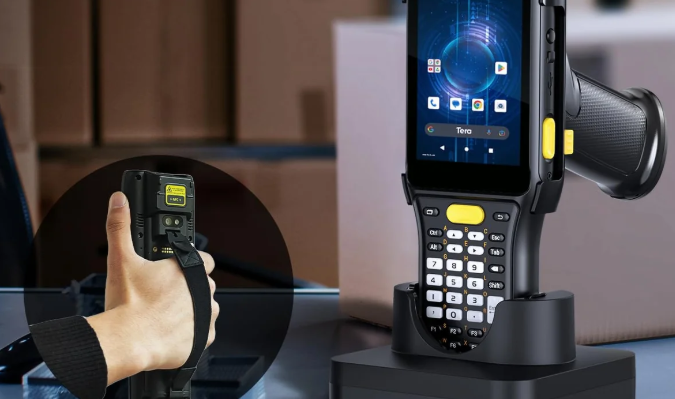
A major benefit of mobile technology is the immediate capture of high-quality data. Real-time updates to enterprise systems eliminate the lag and potential for error associated with paper-based reporting. This ensures that data is accurate, timely, and consistent across the organization. These streamlined workflows boost productivity and allow for better data governance. Field workers, equipped with rugged handhelds and mobile computers, can verify asset information on-site, correcting records and preserving data quality for future tasks. This continuous feedback loop helps maintain an accurate and reliable asset inventory.
Benefits and Future Outlook
Adopting mobile technology provides utilities with significant operational advantages. From improved safety and compliance to greater efficiency, the benefits directly address the industry’s core challenges. This digital approach paves the way for a more resilient and sustainable future.
Increased Safety and Compliance
Mobile GIS provides crews with ready access to data about their surroundings. This includes not only network asset information but also potential hazards such as sensitive environmental zones or landslide-prone areas. This enhanced awareness helps crews maintain compliance and perform their work more safely, principles that are increasingly relevant to complex hotel operations involving facility management and on-site services.
Digital data capture also creates a robust framework for regulatory compliance. It enables comprehensive documentation, clear audit trails, and real-time monitoring. This helps organizations automate reporting, mitigate compliance risks, and demonstrate adherence to safety and environmental standards, supporting more transparent and efficient hotel operations.
Driving Efficiency and Continuous Improvement
The efficiency gains from mobile solutions are substantial. Automated processes and real-time data sharing reduce the time needed for tasks like damage assessments and routine inspections. This allows utilities to respond faster during emergencies and conduct proactive maintenance more effectively. By embracing these tools, utilities transform their operations. They can move from a reactive to a predictive maintenance model, using data-driven insights to prevent failures before they happen. This innovation leads to significant cost savings, improved service reliability, and a continuously improving understanding of asset conditions.
Disclaimer
The information provided in this article is intended for general informational purposes only. While every effort has been made to ensure the accuracy and relevance of the content at the time of writing, it does not constitute professional, technical, legal, or regulatory advice. Utility operations, safety requirements, and technology implementations may vary by region, organization, and regulatory framework.
Readers are encouraged to evaluate their specific operational needs and consult with qualified professionals or technology providers before implementing any tools, systems, or processes described in this article. The author and publisher assume no responsibility for errors, omissions, or outcomes resulting from the use of this information.