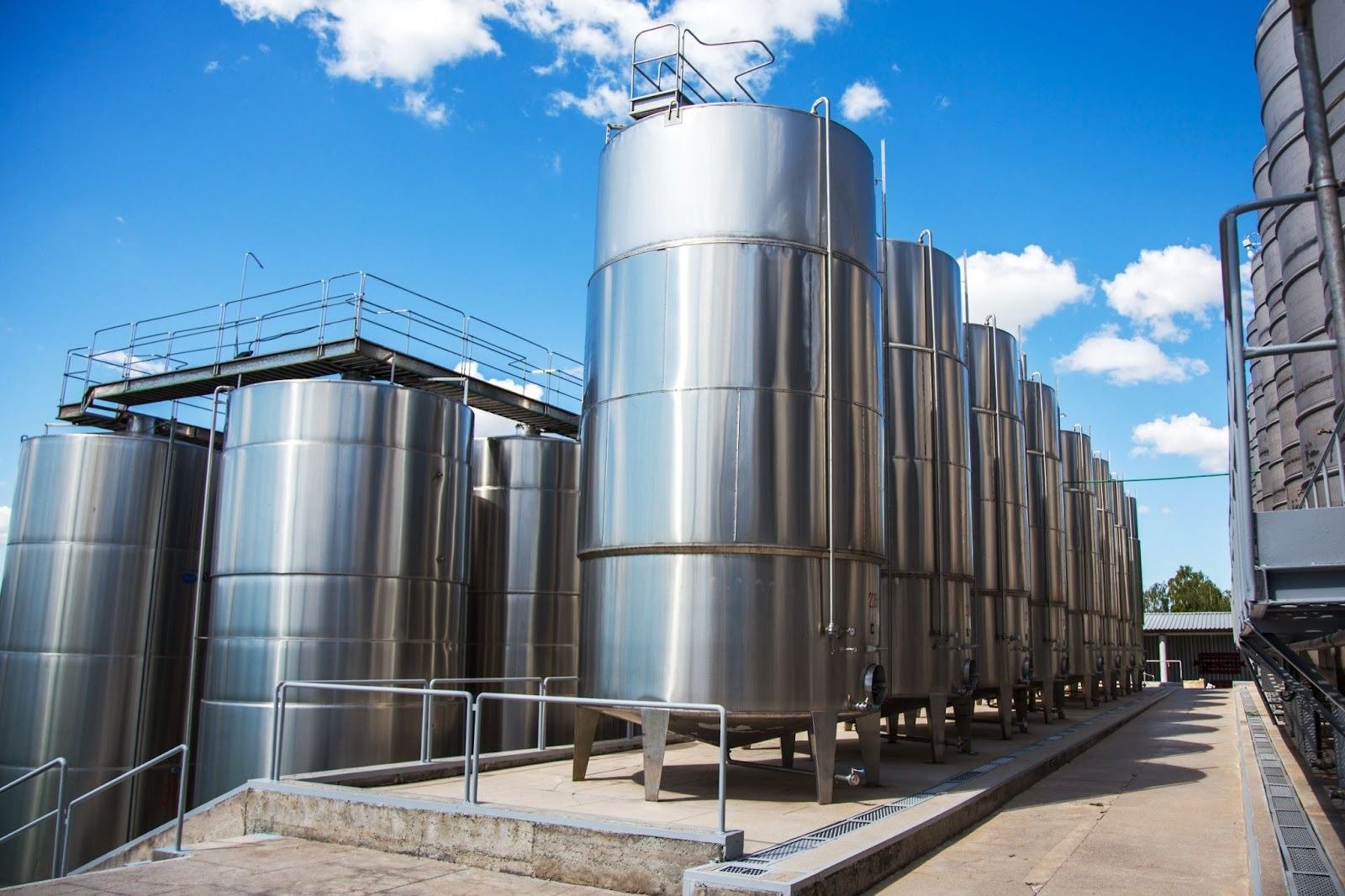
How Long Do Stainless Steel Tanks Last?
In the world of industrial processing, brewing, and chemical storage, few materials are as respected as stainless steel. It is the gold standard for durability, hygiene, and structural integrity. However, when businesses invest in large-scale storage or fermentation vessels, the most pressing question is often: “How long will this actually last?” While there is no single expiration date stamped on the bottom of a steel vessel, the lifespan of a stainless steel tank typically ranges from 20 to 30 years, with many well-maintained units exceeding the 50-year mark.
Understanding the longevity of these assets requires looking beyond the metal itself. The lifespan of a tank is a combination of its metallurgical grade, the environment it inhabits, the substances it holds, and the rigor of the maintenance it receives. This article explores the various factors that determine how long your stainless steel tanks will serve your operation and how you can maximize that investment.
The Role of Material Quality: 304 vs. 316
The journey of a tank’s lifespan begins in the foundry. Not all stainless steel is created equal, and the specific alloy used will dictate how the tank stands up to the “test of time.”
Most industrial and food-grade tanks are constructed from either 304 or 316 stainless steel.
- 304 Stainless Steel: This is the most common grade. It contains high levels of chromium and nickel, providing excellent corrosion resistance for most food and beverage applications. In a standard brewery or dairy environment, a 304 tank can easily last 25 years.
- 316 Stainless Steel: This grade includes the addition of molybdenum, which significantly enhances resistance to chlorides and acids. If your facility is near the ocean (salty air) or handles highly acidic chemicals, 316 is essential. Using 304 in a high-chloride environment might lead to “pitting” within 5 to 10 years, whereas 316 would remain pristine for decades.
Environmental and Operational Factors
A tank sitting in a climate-controlled laboratory will naturally outlive one sitting on a concrete pad in a humid, coastal industrial zone. Beyond geography, operational “wear and tear” is a major factor.
Thermal Cycling
Tanks used in processes involving extreme temperature swings—such as Mash Tuns or Bright Tanks that undergo frequent heating and cooling—experience more physical stress. The metal expands and contracts, which can, over decades, lead to fatigue in the weld points.
Pressure Stress
Fermentation tanks and carbonation stone vessels are often under constant pressure. If a tank is consistently pushed to its maximum rated PSI (pounds per square inch), the structural integrity is tested more frequently than a simple atmospheric storage tank. High-quality engineering ensures these stresses are managed, but “over-pressurizing” even once can cause deformations that shorten the tank’s life.
The Importance of the Passivation Layer
The secret to stainless steel’s “stainless” nature is a microscopic, “passive” layer of chromium oxide. This layer acts as a shield, preventing oxygen and moisture from reaching the iron in the steel and causing rust.
This layer is self-healing, but it can be “wounded.” Abrasive scrubbing, the use of steel wool, or exposure to harsh chlorine-based cleaners can strip this layer away. If the passivation layer is not restored (a process called re-passivation), the tank can begin to corrode from the inside out. Regular acid washes and proper CIP (Clean-In-Place) protocols are what keep this shield strong for 30 years or more.
Common Signs of Aging and Wear
Knowing when a tank is nearing the end of its functional life is crucial for safety and product quality. You should monitor your vessels for the following:
- Pitting: Small, needle-like holes in the surface. This is a sign of localized corrosion.
- Weld Decay: Discoloration or cracking around the seams of the tank.
- Stress Cracks: Fine lines that appear near ports or manways, indicating metal fatigue.
- Surface Roughness: Over time, heavy chemical cleaning can make the interior surface “pitted” or rough, providing a place for bacteria to hide, which compromises hygiene.
Maintenance Tips to Extend Tank Life
To ensure your equipment reaches the 30-year milestone, follow these industry best practices:
- Avoid Chlorine: Never use bleach or chlorine-based sanitizers on stainless steel. They are the “kryptonite” of the passivation layer.
- Use Non-Abrasive Tools: Clean with soft cloths or specialized spray balls. Never use carbon steel brushes or wool, as they leave behind iron particles that cause “contact rust.”
- Regular Inspections: Every 6 to 12 months, perform a visual inspection of all welds, gaskets, and valves.
- Scheduled Passivation: Perform a professional acid passivation treatment at least once a year to rebuild the protective oxide layer.
Why Choose Micet Products?
When longevity is your primary goal, the manufacturer you choose is the most critical variable. Micet provides world-class stainless steel solutions designed for the long haul. Our tanks are crafted using premium-grade 304 and 316L stainless steel, featuring precision TIG welding and rigorous pressure testing.
Micet’s commitment to quality ensures that every vessel—whether it’s a fermenter, a storage tank, or a complex brewhouse system—is engineered to resist corrosion and handle the stresses of daily production. By choosing Micet, you are not just buying a tank; you are investing in decades of reliable, hygienic, and efficient performance.
Frequently Asked Questions
Can a rusted stainless steel tank be saved?
In many cases, yes. If the rust is “surface rust” caused by outside contamination or a breached passivation layer, it can often be scrubbed away with specialized stainless steel cleaners and then re-passivated with acid. However, if the rust has turned into “pitting” (deep holes), the structural integrity may be compromised, and the tank may need professional repair or replacement.
Does the thickness of the steel affect how long it lasts?
Absolutely. While the “grade” (304 vs 316) determines chemical resistance, the “gauge” or thickness determines physical durability. Thicker walls are less prone to denting and can better withstand the “breathing” (expansion/contraction) that happens during pressure and temperature changes. Micet tanks are built with industry-leading wall thicknesses to maximize this physical lifespan.
Is used stainless steel equipment a good investment?
It can be, but it carries risks. Because you cannot easily see the “health” of the passivation layer or the history of how the tank was cleaned, a used tank might have hidden “micro-pitting.” A new tank from a reputable manufacturer like Micet offers the peace of mind of a known maintenance history and a full structural warranty.