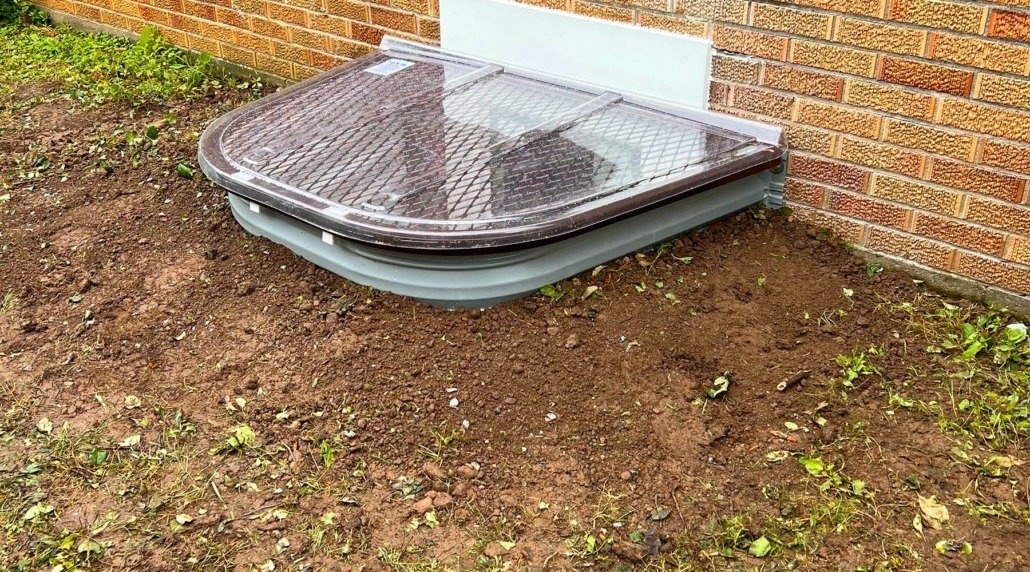
Enhancing Safety, Light, and Livability with Egress Windows
Basements are often overlooked spaces within a home, typically used for storage or mechanical equipment rather than as living areas. However, with the right improvements, basements can become valuable, comfortable, and functional spaces such as guest rooms, offices, or family entertainment areas. One of the most significant upgrades for transforming a basement into a safe and habitable space is the installation of egress windows. These specialized windows not only bring in natural light and ventilation but also serve as an essential emergency escape route, making them a vital part of both safety and comfort.
Installing egress windows is more than just a design choice; it’s a matter of compliance, safety, and practicality. Building codes in most areas require them for any finished basement space that includes bedrooms or living areas. Beyond meeting these regulations, egress windows improve the overall livability of a basement by allowing sunlight to filter in, reducing dampness, and creating a more welcoming atmosphere. Homeowners who invest in egress windows often find that their property value increases and that their lower levels become more appealing and usable.
The Purpose and Importance of Egress Windows
The term egress refers to a means of exiting a building in case of an emergency. Egress windows serve this critical function in basements, where standard windows are often too small or inaccessible to allow for safe evacuation. In the event of a fire or other emergency, egress windows provide a secondary escape route for occupants and an entry point for rescue personnel.
Beyond safety, these windows also contribute significantly to the comfort of a basement. Many basements suffer from poor air circulation and limited sunlight, creating dark and damp conditions that are neither inviting nor healthy. Egress windows introduce natural ventilation, reducing humidity levels and improving indoor air quality. This is especially beneficial for preventing mold growth and maintaining a dry, pleasant environment — a concern often addressed through professional wet basement solutions.
Building Code Requirements and Standards
Installing egress windows is not just a matter of preference; it is often mandated by building codes to ensure occupant safety. While specific requirements may vary slightly depending on local regulations, the general standards are consistent across most jurisdictions. These typically include:
- Minimum Opening Size: The window opening must be at least 5.7 square feet to allow safe egress.
- Minimum Height and Width: The opening must have a minimum height of 24 inches and a minimum width of 20 inches.
- Maximum Sill Height: The bottom of the window opening cannot be more than 44 inches above the floor, allowing easy access.
- Window Well Requirements: If the window is below ground level, a window well must be installed with adequate space for an occupant to climb out. The well should also include a permanent ladder or steps if it exceeds a certain depth.
Meeting these requirements ensures that the window is both functional and compliant, offering genuine safety benefits rather than merely aesthetic improvements.
Types of Egress Windows
There are several types of egress windows to choose from, each with unique features, styles, and benefits. The right option depends on the layout of the basement, the home’s design, and the homeowner’s preferences.
- Casement Windows
Casement egress windows are hinged on the side and open outward like a door. They are popular for basements because they provide the largest possible opening within a smaller frame, making them ideal for tight spaces. - Sliding Windows
Sliding or gliding egress windows operate horizontally. While they are easy to use, they typically require more wall space and may not provide as large an opening as casement windows. - Double-Hung Windows
These feature two sashes that slide vertically. However, for egress purposes, the opening may not always meet the required size unless the window is specifically designed for that function. - Awning Windows
Hinged at the top, awning windows open outward from the bottom. These are less common for egress because they can obstruct exit routes, though they may be used in combination with other designs.
Choosing the right type of egress window involves balancing aesthetics, functionality, and compliance with safety regulations.
The Installation Process
Installing egress windows involves several important steps that require precision and expertise. It is not a simple do-it-yourself project, as improper installation can lead to water leaks, structural damage, or noncompliance with safety codes.
- Planning and Design
Before installation, professionals assess the foundation wall, determine the appropriate location, and ensure that the surrounding area allows for proper drainage. Placement is crucial, as the window should maximize light while remaining accessible in case of emergency. - Excavation
If the basement wall is below ground level, the installation requires excavation to create a window well. Proper grading and drainage must be incorporated to prevent water accumulation around the window, a task often best handled by experts familiar with wet basement solutions. - Cutting the Opening
The foundation wall must be cut to the precise size required for the window. This process demands specialized equipment to maintain structural integrity and prevent cracks or uneven edges. - Installing the Window and Well
Once the opening is prepared, the window frame is secured, sealed, and waterproofed. A window well is then installed, often with built-in drainage or gravel at the base to direct water away from the foundation. - Finishing Touches
The interior is framed and insulated to integrate the window into the basement’s design. Exterior finishing ensures that the window blends with the home’s appearance while maintaining protection against water infiltration.
Benefits of Installing Egress Windows
Egress windows provide a wide range of advantages beyond safety compliance:
- Increased Safety: The primary benefit is the ability to escape quickly in emergencies. It also allows firefighters easier access in rescue situations.
- Natural Light: Adding natural sunlight makes basements feel brighter and more inviting, eliminating the dark, confined feeling common in underground spaces.
- Improved Ventilation: Enhanced airflow reduces humidity and prevents musty odors, contributing to a healthier living environment.
- Higher Property Value: Homes with finished basements and egress windows are more appealing to buyers and often appraise for higher values.
- Expanded Living Space: With proper egress windows, basements can legally be converted into bedrooms, offices, or recreational rooms, increasing functional square footage.
These benefits collectively enhance both the livability and market appeal of a home, making egress windows a wise investment for long-term value.
Waterproofing Considerations
Basements are naturally susceptible to water intrusion due to their below-grade location. Improperly installed egress windows can worsen this issue if they allow moisture to seep in. For this reason, it is essential to incorporate waterproofing measures into the installation process.
Proper drainage systems, window well covers, and exterior waterproof membranes help prevent leaks. Gravel or perforated drains at the base of the window well ensure water flows away from the foundation rather than pooling near it. Many homeowners also pair their egress window installations with comprehensive wet basement solutions to guarantee that the entire lower level remains dry, healthy, and protected from water damage.
A professional waterproofing contractor can inspect the property, assess potential risks, and implement drainage systems or sealants that complement the window installation. This integrated approach prevents costly water-related problems and ensures lasting performance.
Maintenance and Long-Term Care
Egress windows require minimal maintenance, but regular attention helps ensure long-term functionality and durability. Homeowners should:
- Keep the window wells clean and free from leaves, dirt, and debris.
- Check drainage systems regularly to ensure water flows properly.
- Inspect seals and caulking annually for signs of wear or gaps.
- Lubricate hinges and locks periodically for smooth operation.
- replace damaged or rusted window well covers as needed.
By maintaining these simple practices, homeowners can protect their investment and ensure the continued effectiveness of their egress windows.
Combining Safety and Style
While egress windows serve a vital safety function, they can also enhance a home’s aesthetic appeal. Modern designs offer a range of styles, frames, and finishes that complement both traditional and contemporary homes. Well-designed window wells with decorative stone, landscaping, or built-in steps can transform a once-dark basement window area into an attractive architectural feature.
Moreover, egress windows make basements feel like natural extensions of the main living space rather than separate, enclosed areas. The combination of safety, functionality, and visual appeal makes them one of the most impactful basement upgrades available.
Conclusion
Egress windows are a smart, practical, and essential addition to any basement, combining safety, comfort, and beauty in one feature. They meet building codes, enhance natural lighting, and provide a crucial escape route during emergencies. However, to maximize their effectiveness and longevity, they must be installed with proper drainage and waterproofing measures in place.
Pairing egress window installation with professional wet basement solutions ensures comprehensive protection against moisture, creating a bright, dry, and secure basement space. By taking a proactive approach to both safety and waterproofing, homeowners can transform their basements into comfortable, functional, and valuable living areas that contribute to the home’s overall appeal and peace of mind.