ADHD and Skin Picking: Understanding Causes, Treatments, and Practical Strategies
You might notice skin picking shows up with your ADHD as a way to cope with restlessness, stress, or sensory-seeking urges. Many people with ADHD and skin picking experience body-focused repetitive behaviors like skin picking because impulsivity, hyperactivity, and difficulty regulating attention and emotions make those habits more likely—and treatable when you target both ADHD and the picking itself.
This post will explain how ADHD-related brain differences can drive skin picking and give practical strategies you can use to reduce harm and build safer coping skills. Expect clear, evidence-informed steps for recognizing triggers, changing routines, and getting professional help when needed so you can take control of the behavior rather than letting it control you.
Understanding the Link Between ADHD and Skin Picking
You may notice repetitive skin picking linked to restlessness, impulsivity, or using picking as a way to cope with quiet boredom or sensory needs. The next parts explain what skin picking looks like, why ADHD often increases the risk, and the common signs to watch for.
What Is Skin Picking?
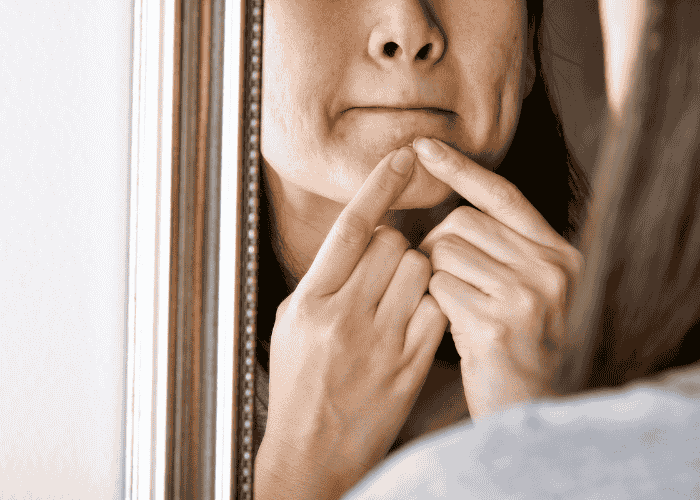
Skin picking, also called excoriation disorder or dermatillomania, means repeatedly picking, scratching, or digging at skin so it causes damage. You might focus on minor irregularities — scabs, bumps, or perceived imperfections — and pick until bleeding, scarring, or infection occurs.
The behavior ranges from occasional picking to compulsive episodes that interfere with work, school, or relationships. Picking can be conscious (you notice urges and act on them) or automatic (you do it without realizing, often while distracted). Treatment options include habit-reversal training, cognitive behavioral approaches, and sometimes medication, depending on severity.
How ADHD Contributes to Skin Picking
ADHD increases the risk of skin picking through several specific pathways: impulsivity, hyperactivity/restlessness, and executive-function challenges. When you feel sudden urges, impulsivity makes it harder to resist the action in the moment.
You may also use picking as a form of stimming or sensory regulation — the texture and sensation temporarily reduce tension or increase focus. Difficulty with sustained attention and planning can prevent you from noticing triggers or following through on coping strategies, so picking becomes a default behavior during boredom, stress, or overstimulation.
Common Symptoms and Behaviors
Look for repeated skin manipulation that causes visible harm: scabs, scars, open sores, or changes in skin texture. You might spend minutes to hours each day picking, and the behavior typically causes distress, shame, or attempts to hide skin damage.
Behavioral patterns include:
- Automatic picking during passive activities (watching screens, reading).
- Focused picking in response to anxiety, boredom, or perceived skin flaws.
- Failed attempts to stop or reduce the behavior.
Keep a simple log of when and what you were doing before episodes to identify triggers. That record often helps clinicians tailor behavioral strategies and safer alternatives.
Managing Skin Picking in Individuals With ADHD
You will find practical steps that target triggers, train new habits, use professional therapies, consider medication when needed, and build routines and supports that reduce picking episodes.
Behavioral Strategies for Self-Control
Identify your high-risk moments by tracking time of day, emotions, and activities that precede picking. Use a simple log or phone notes to record triggers for two weeks; patterns often reveal sensory boredom, anxiety, or specific environments.
Replace picking with competing behaviors that satisfy the same need. Examples: rolling a textured stress ball, rubbing a cooling gel patch, or using a fidget toy with a distinct tactile feel. Keep these replacements within reach where you typically pick.
Use Habit Reversal Training (HRT) techniques: a clear awareness cue, a brief competing response (hands occupied for 1–3 minutes), and consistent practice. Add stimulus control—cover mirrors, wear thin gloves or adhesive bandages, and remove magnifying mirrors.
Set short, measurable goals and reward progress. For example: delay picking for 30 minutes, then increase gradually. Use timers, visual charts, or an app to track streaks and small rewards to reinforce gains.
Therapeutic Treatment Options
Cognitive-behavioral therapy (CBT) adapted for body-focused repetitive behaviors focuses on awareness, trigger analysis, and skill-building. Seek a clinician experienced with both ADHD and BFRBs for tailored strategies.
Habit Reversal Training (HRT) is a core, evidence-based component that teaches awareness training, competing responses, and social support. Request practice exercises and in-session rehearsal to ensure the competing response fits your daily situations.
Acceptance and Commitment Therapy (ACT) can help you tolerate urges without acting on them by clarifying values and practicing acceptance techniques. Mindfulness-based interventions reduce automatic responding and increase present-moment awareness of urges.
Consider group therapy or support groups for BFRBs and ADHD. Peer feedback helps normalize struggles, provides practical tips, and offers accountability you can use between sessions.
Role of Medication
Medication does not cure skin picking but can reduce underlying symptoms that fuel it. If impulsivity, anxiety, or depression drive your picking, treating those core issues often reduces episodes.
SSRIs (selective serotonin reuptake inhibitors) can help when compulsive picking links to anxiety or OCD-like patterns. Discuss benefits and side effects with a prescriber experienced in BFRBs and ADHD comorbidity.
Stimulant or non-stimulant ADHD medications may lower impulsivity and increase ability to use behavioral strategies. Monitor whether improved attention reduces picking frequency; adjust dose or timing with your clinician.
In some cases, atypical antipsychotics or other agents have been tried for severe, treatment-resistant picking. These require specialist oversight and a clear risk–benefit discussion before starting.
Lifestyle Changes and Support Systems
Create an environment that reduces access to triggers. Examples: keep fingernail scissors in a different room, replace magnifying mirrors with standard ones, and maintain hands-occupied activities at your workspace.
Build daily structure: regular sleep, consistent meal times, and short activity breaks improve impulse control. Schedule brief sensory breaks using safe stims—textured objects, chewing gum, or brisk hand exercises.
Enlist practical support: tell a trusted friend or partner specific ways they can help (gentle reminders, checking in at set times, or joining you in replacement activities). Use alarms or apps to prompt breaks and competing responses.
Address skin health directly: use emollients, silicone gel sheets, or sterile dressings on frequently picked areas to reduce tactile cues and speed healing. Consult a dermatologist for wound care and infection prevention when needed.
Disclaimer:
The information provided in this article, ADHD and Skin Picking: Understanding Causes, Treatments, and Practical Strategies, is intended for educational and informational purposes only. It is not a substitute for professional medical advice, diagnosis, or treatment. Always seek the guidance of a qualified healthcare provider, mental health professional, or licensed clinician regarding any questions you may have about ADHD, skin picking, or other medical conditions. Reliance on any information in this article is solely at your own risk. Individual experiences