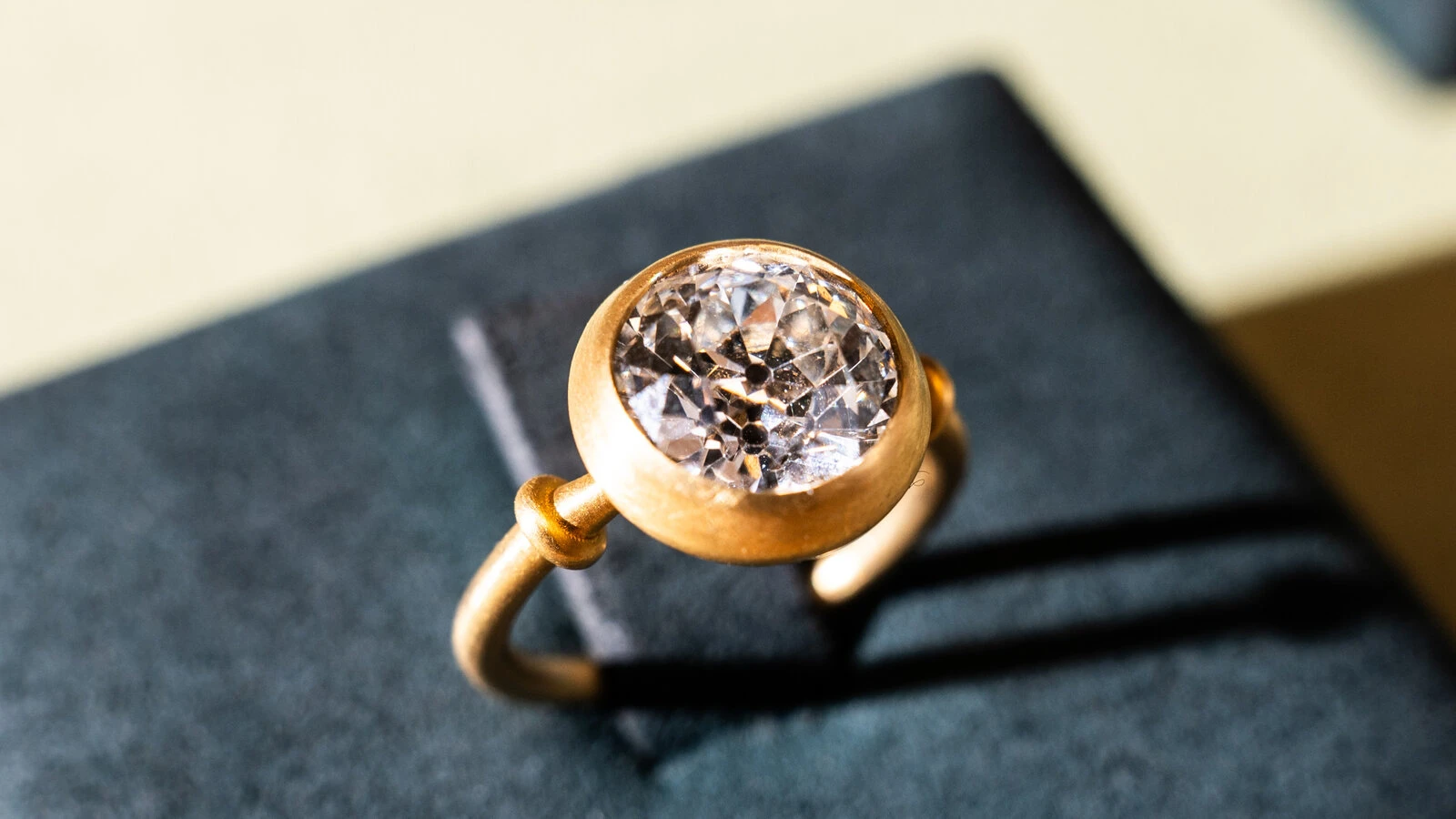
Why the Same Eye That Picks a Great Diamond Setting Also Picks a Great Dining Chair
A brilliant diamond setting isn’t picked by chance. It is picked by someone who understands proportion, balance, substance, light, restraint, and the subtle distinction between beauty that lasts a minute and beauty that endures for years.
That same eye is precisely what a dining chair needs.
At first glance, jewelry and furniture appear to be very different. One belongs on your palm, the other around a table. The first is intimate and symbolic, while the second is practical and ordinary. Nonetheless, both raise the same question: can a design withstand beauty, pressure, daily use, and personal significance without losing its identity?
This is especially true with metal dining chairs, where the strength of the frame, the shape of the back, the finish, and the visual weight all have to work together without making the chair feel cold or purely utilitarian. A well-chosen metal chair can bring structure to a dining room the way a clean prong setting brings focus to a stone: it supports the design, sharpens the silhouette, and lets the surrounding details shine.
A diamond setting must protect the stone, flatter the hand, complement the wearer, and withstand everyday use. A dining chair must support the body, fit the space, reflect the decor, and withstand repeated use. In both circumstances, the best option is rarely the loudest. It’s the one in which every detail feels deliberate.
Proportion Is the First Sign of Taste
People with a good eye don’t only see a diamond setting as sparkling. They can see how the stone is set in the band. They observe whether the prongs are too heavy, whether the halo is too overwhelming in the center, whether the breadth of the band is proportional to the scale of the stone, and whether the profile seems exquisite from every perspective.
Dining chairs call for the same kind of judgment.
A chair can have a gorgeous backrest, rich fabric, and a robust frame, but if the proportions are improper, the whole thing just feels wrong. The seat looks a bit undersized for the frame. Your back may elevate too far above the table. The legs may feel a bit too thin for the design’s weight. The chair is attractive in itself, but ungainly when set around six or eight tables.
That’s why, proportion before ornamentation.
Dining areas use chair height, seat breadth, back shape, and table clearance, all working together. An overly large chair can make a room feel cramped. An overly narrow chair may make guests feel as if comfort was exchanged for capacity. Even if the table is regular, a chair that is too low can make the table seem odd and tall.
The discerning eye sees those flaws early on. It doesn’t wait for the room to be filled to understand the scale was wrong.
The Setting and the Frame Do the Hidden Work
A diamond setting may be admired for its beauty, but its real responsibility is protection. The setting holds the stone, supports it, frames it, and keeps it secure through years of movement. A weak setting can make even an expensive diamond feel like a risky choice.
A metal chair frame works the same way.
The surface may get the attention first. Guests notice the color, fabric, wood tone, back curve, or finish. Yet the frame decides whether the chair can handle daily life. In a restaurant, café, dining room, banquet space, or hospitality setting, chairs are pulled, pushed, leaned on, shifted, cleaned, and used by people of different sizes every day.
A good chair does not depend on appearance alone. It depends on what holds that appearance together.
The best buyers look for details such as:
- Strong joinery and reinforced stress points
- Durable seat construction that does not sag quickly
- Finishes that can handle cleaning and repeated contact
- Backrests that feel comfortable without becoming fragile
- Materials that match the environment, not just the mood board
This is where the diamond-setting eye becomes useful. It understands that structure is not separate from beauty. Structure is what allows beauty to last.
Materials Tell the Truth Over Time
A jeweler can explain the distinctions among platinum, yellow gold, white gold, rose gold, and mixed-metal settings. A stone’s appearance varies depending on the substance used. Each has a unique level of hardness, maintenance, patina, and visual warmth.
Dining metal chairs communicate with materials in the same way.
Wood provides warmth, but the species, finish, and structure all matter. Metal can appear sleek and robust, but the coating, welds, and frame design all influence how well it ages. Upholstery can soften a room, but the fabric grade, abrasion resistance, stain resistance, and cushion quality all influence how long it remains beautiful.
A person who understands jewelry recognizes that “pretty” is insufficient. A ring has to fit the wearer’s lifestyle. Someone who works with their hands could require a lower setting or a more protective design. Someone who appreciates vintage details may be more willing to accept more delicate upkeep because the style is important to them.
Dining chairs should be selected with the same honesty.
A chair is subjected to different demands in a calm home dining room, a bustling restaurant, a hotel breakfast area, and a private event space. One may require elegance beyond all else. Another may require stacking capability, cleanability, and commercial-grade durability. Another may require upholstery that pictures well but also withstands spills, denim, handbags, and frequent turnover.
Taste becomes more powerful when it takes its purpose into account.
Comfort Is the Detail People Remember
A diamond ring can look stunning in a display case, but it still has to feel right on the hand. The band cannot pinch. The setting cannot catch everything. The weight cannot feel distracting. True elegance includes wearability.
A dining chair has its own version of wearability: comfort.
Many metal chairs look impressive in photographs but fail after twenty minutes of real sitting. The seat may be too flat. The back may hit the wrong spot. The front edge may press against the legs. The angle may look sculptural, but feel stiff. In a restaurant, that discomfort can shorten visits, affect mood, and make guests less likely to linger.
Comfort is not softness alone. It is support, posture, scale, and ease.
A great dining chair gives the body permission to relax without making the room look sloppy. It allows conversation to stretch. It supports the meal instead of interrupting it. Like a well-set diamond, it disappears into the experience because it is doing its job correctly.
That kind of comfort is not accidental. It comes from thoughtful curves, seat depth, back angle, material choice, and testing beyond the showroom glance.
Style Should Signal Identity Without Shouting
The best diamond settings frequently have a strong point of view. A solitaire can seem to have no time. A bezel can be modern and safe. A three-stone setting can be meaningful and balanced. An antique-inspired atmosphere can feel intimate, romantic, and rich with history.
Dining seats also bear identity.
A bentwood chair evokes warmth, mobility, café charm. A metal chair means energy, utility, and industrial confidence. An upholstered chair is more elegant, slower, and hospitable. A chair with a carved back might bring tradition into the area, but a clean-lined chair can make the same space appear modern and controlled.
The error lies in treating style as mere decoration.
The chair shouldn’t just match the table’s color or look nice next to it. It should add to the tale of the space.” Is the room intimate or is it frenetic? Polished or laid-back? Can it be used for dating nights, family meals, working lunches, tasting menus, or casual gatherings?
The correct chair responds before anyone has to explain.
That is exactly how a beautiful diamond setting works. It doesn’t have to scream flavor. It shows taste in balance, proportion, and restraint.
The Best Choice Balances Beauty With Ownership
A diamond setting is not only a purchase. It is an ownership decision. It may need cleaning, checking, resizing, repair, or long-term care. A dramatic setting that is hard to maintain may not be the best fit for everyday life.
Dining metal chairs carry ownership costs, too.
A lower-priced chair can become expensive if it needs frequent tightening, refinishing, reupholstering, or replacement. A trendy chair can date a room quickly. A delicate finish can show wear faster than expected. A chair that is hard to clean can add to daily labor pressure.
The smarter buyer looks beyond the first impression.
They ask: how will this age after a year? How will it look after hundreds or thousands of uses? Will the finish hide wear or reveal every scuff? Can the upholstery be cleaned without losing texture? Does the frame feel stable enough for real movement? Does the design still feel relevant after trends shift?
That is not overthinking. That is disciplined taste.
A Sharper Eye at the Table
The person who picks a great diamond setting is not just choosing shine. They are judging the scale, strength, wearability, symbolism, and longevity in a single small object.
That same judgment applies beautifully to dining metal chairs.
A great chair is not simply something that fills space around a table. It frames the dining experience. It changes how people sit, how long they stay, how the room photographs, how the table feels, and how the entire setting communicates care.
The connection between jewelry and furniture is really one of detail and judgment. In both worlds, the eye has to look past the obvious.
Sparkle matters, but setting matters more. Style matters, but structure matters more. A first impression matters, but the way something performs over time matters most.
That is why the same eye that recognizes a great diamond setting can also recognize a great dining chair. It knows that lasting beauty is never just about what catches the light. It is about what holds up when life begins using it.