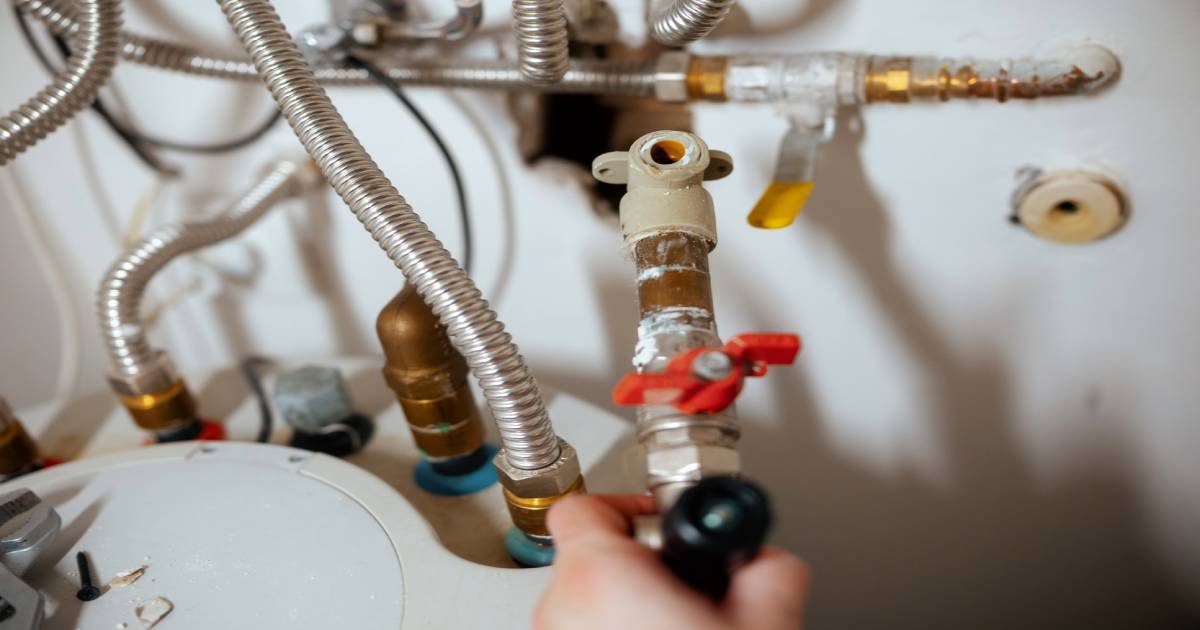
How to Know When Your Water Heater Needs Repair
Your water heater is one of the hardest-working appliances in your home. It quietly operates in the background every single day, delivering hot water for showers, dishes, laundry, and more. Because it works so consistently, most homeowners don’t think about it — until something goes wrong. The good news is that water heaters rarely fail without warning. Knowing the early signs of trouble can save you from cold showers, water damage, and costly replacements.
Here’s how to tell when your water heater is trying to tell you it needs attention.
1. You’re Running Out of Hot Water Faster Than Usual
If your morning shower is turning cold well before it used to, your water heater may be struggling. This can happen for several reasons — sediment buildup at the bottom of the tank, a failing heating element, or a thermostat that’s no longer functioning correctly. A sudden drop in hot water capacity is one of the most common and obvious signs that something isn’t right.
2. The Water Isn’t Getting Hot Enough
Lukewarm water when you expect hot is a red flag. This often points to a broken thermostat or a damaged heating element. Before calling a technician, check that your thermostat is set to the right temperature — ideally between 120°F and 140°F. If the setting looks fine but the water is still underwhelming, it’s time to have a professional take a look.
3. You Hear Strange Noises Coming From the Tank
A healthy water heater operates quietly. If you start hearing rumbling, popping, banging, or hissing sounds, that’s a signal worth taking seriously. These noises are typically caused by hardened sediment settling at the bottom of the tank. As the heating element works to heat water through that layer of sediment, it creates those unsettling sounds. Left unaddressed, this can reduce efficiency and eventually damage the tank itself.
4. You Notice Rusty or Discolored Water
If the hot water coming out of your taps has a reddish, brown, or yellowish tint, it could mean that your water heater tank is corroding from the inside. Rusty water is a serious warning sign — once corrosion sets in, the tank may be nearing the end of its life. However, discolored water can also be caused by aging pipes, so a technician will need to determine the exact source of the problem.
5. There’s a Metallic or Unpleasant Taste or Smell
Strange-smelling or odd-tasting hot water isn’t something to ignore. A rotten egg smell often points to bacteria growth inside the tank, which can occur when the water isn’t being heated to a high enough temperature. A metallic taste may suggest corrosion. Both issues require prompt attention from a qualified plumber.
6. You See Water Pooling Around the Unit
Any sign of moisture, dripping, or pooling water around your water heater should be treated as an emergency. Leaks can develop from loose connections, a faulty pressure relief valve, or cracks in the tank itself. Even a minor leak can lead to significant water damage if left unaddressed. Homeowners who spot this problem should shut off the water supply to the heater immediately and call a professional.
7. Your Energy Bills Are Climbing Without Explanation
A water heater that’s losing efficiency has to work harder to do the same job — and that means higher energy bills. If you’ve noticed a steady increase in your utility costs without any obvious explanation, your water heater may be to blame. Sediment buildup, aging components, and poor insulation all force the unit to consume more energy than it should.
8. The Unit Is More Than 10–15 Years Old
Even if your water heater seems to be working fine, age is an important factor to consider. Most traditional tank water heaters have a lifespan of 10 to 15 years. As they approach the end of that range, internal components deteriorate, efficiency drops, and the risk of leaks or complete failure increases. If your unit is in this age range and showing any of the symptoms above, it’s wise to start exploring your repair or replacement options.
9. The Pilot Light Keeps Going Out (Gas Heaters)
For gas water heaters, a pilot light that frequently goes out is a sign of trouble. It may indicate a faulty thermocouple, a gas supply issue, or a problem with the gas valve. Repeatedly relighting the pilot without addressing the underlying cause is not a long-term solution and can pose a safety risk.
10. The Pressure Relief Valve Is Leaking or Stuck
The pressure relief valve is a critical safety device that prevents the tank from over-pressurizing. If this valve is leaking, dripping, or appears to be stuck, it needs to be inspected and replaced immediately. A malfunctioning pressure relief valve is not just an efficiency problem — it’s a safety hazard.
Don’t Wait Until It’s Too Late
Water heater problems rarely resolve themselves. In most cases, the longer you wait, the worse — and more expensive — the damage becomes. If you’ve noticed any of the warning signs above, the smartest move is to call a licensed plumber sooner rather than later.
For homeowners in the Garden State, finding reliable water heater repair NJ residents trust is easier than ever. Local plumbing professionals can diagnose the problem quickly, advise whether a repair or replacement makes more sense, and restore your hot water supply with minimal disruption to your daily routine.
Final Thoughts
Your water heater works hard every day to keep your household running smoothly. Paying attention to changes in performance — whether it’s the water temperature, sounds, appearance, or smell — gives you the best chance of catching small problems before they become big ones. Regular maintenance, including flushing the tank annually and inspecting the anode rod, can also significantly extend the life of your unit.
When in doubt, don’t hesitate to call a professional. A quick inspection today could save you from a costly emergency tomorrow.