Lab Equipment Dealers: How to Choose Reliable Suppliers for Your Laboratory Needs
You need lab equipment that fits your budget, meets technical requirements, and arrives when your project demands it. Choose dealers who combine verified product quality, clear service and support, and transparent pricing to reduce downtime and protect your results.
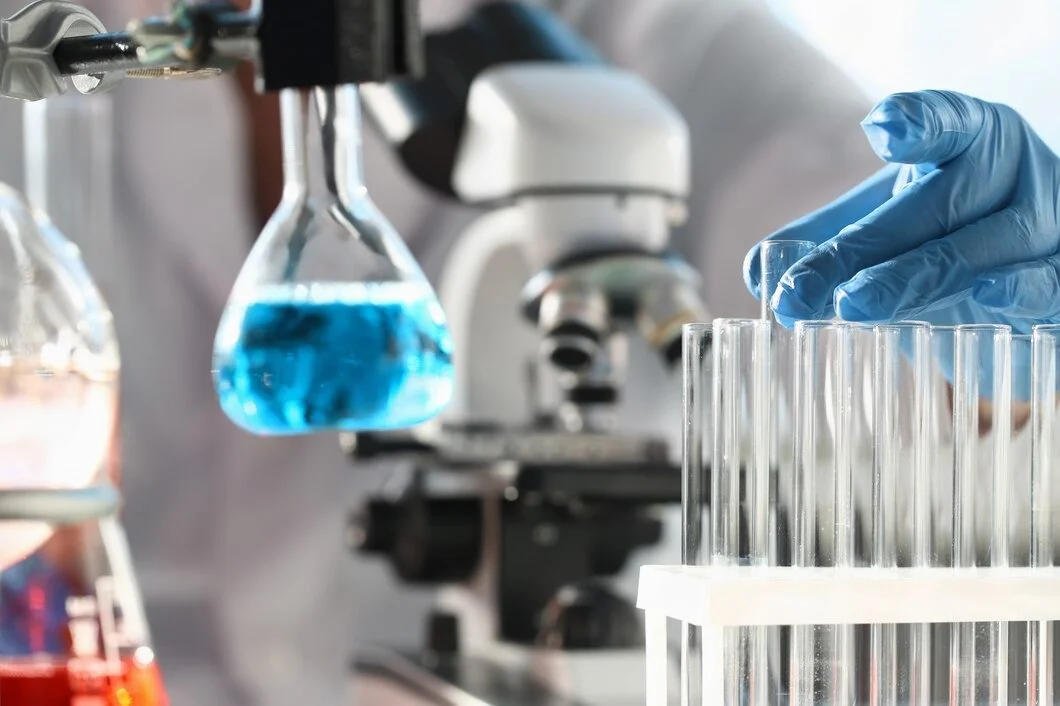
This article Lab Equipment Dealers shows how different dealers specialize—some focus on consumables and safety gear, others on high-precision instruments or calibration services—so you can match supplier strengths to your lab’s priorities.
Below the surface of catalogs and quotes, you’ll learn practical criteria to evaluate dealers, compare offerings across regions, and make procurement decisions that save time and money.
Types of Lab Equipment Dealers
You’ll encounter dealers who focus on narrow technical niches, full-service providers that handle procurement-to-installation, and online marketplaces that aggregate new and used inventory. Each type serves different budgets, timelines, and technical-support needs.
Specialized Laboratory Equipment Suppliers
Specialized suppliers concentrate on a narrow product class—such as HPLC systems, spectroscopy instruments, or biosafety cabinets. You get deep technical expertise, factory-trained service, and calibrated replacement parts tailored to those product lines.
They often offer validation documentation, method development support, and reagents or consumables specific to the instruments. If your work demands regulatory compliance (GLP, ISO, or FDA-related testing), these suppliers can supply traceable calibration and documentation you’ll need.
Expect higher unit costs but lower lifecycle risk for complex systems. Lead times can vary; some suppliers keep demo units or refurbished options to shorten procurement cycles.
Full-Service Distributors
Full-service distributors provide broad product ranges—glassware, balances, centrifuges, freezers, and major analytical instruments—plus procurement, installation, and after-sales support. You can bundle purchases, standardize consumables, and consolidate vendor management to streamline purchasing workflows.
They typically offer preventive maintenance contracts, on-site calibration, and spare-parts inventory. This reduces downtime and centralizes warranty handling, which matters when you run regulated workflows or multiple labs.
Look for distributors that provide procurement tools (e.g., punch-out catalogs, account portals) and same-day or expedited shipping in your region to meet tight project timelines.
Online Laboratory Equipment Marketplaces
Marketplaces aggregate new, used, and refurbished equipment from multiple sellers, giving you wide selection and price transparency. You can compare models, read seller ratings, and often find cost-effective pre-owned instruments for budget-constrained projects.
Pay attention to listing details: calibration status, service history, consumables included, and return or warranty terms. Some platforms offer inspection, refurbishment, and shipping logistics; others act only as a listing venue, which shifts risk to you.
Use marketplaces for rapid sourcing or to locate hard-to-find items, but verify seller credentials and request documentation before committing to high-value purchases.
Choosing the Right Lab Equipment Dealer
Select a dealer that offers certified products, clear compliance documentation, and responsive technical support. Prioritize vendors who document warranties, calibration services, and local field-service capabilities.
Product Quality and Certification
You should verify device-level certifications and traceability before purchase. Ask for ISO 9001 or ISO/IEC 17025 certificates for manufacturers and request calibration certificates tied to national standards (NIST, NRCC) for instruments like balances, spectrometers, and pipettes.
Check material and performance specs against your application needs. For regulated work, confirm GMP/FDA or CE marking where applicable, and review validation documents or factory acceptance test (FAT) reports for complex systems such as HPLC or GC.
Use a short checklist when comparing quotes:
- Model number and firmware revision
- Calibration status and uncertainty values
- Manufacturer certifications and lab accreditations
- Included consumables and spare parts
You should also inspect warranty terms. Make sure coverage includes parts, labor, and an expected response time for critical failures.
After-Sales Service and Support
You need local technical support and predictable service timelines for uptime-sensitive operations. Prefer dealers offering on-site repair contracts, preventive maintenance schedules, and guaranteed response SLAs (e.g., 24–48 hours for critical instruments).
Confirm availability of trained field engineers and OEM parts. Ask whether the dealer stocks common consumables and whether they provide instrument qualification (IQ/OQ) and user training as part of the sale or as paid services.
Evaluate remote support options and documentation access. Ensure the vendor offers phone/email troubleshooting, software updates, and an online portal for service history and spare-part ordering.
Request references from labs using the same equipment. Speak with peers about real response times, recurring issues, and the dealer’s ability to manage warranty claims.
Disclaimer
The information in this article is for general informational purposes only and should not be considered professional or technical advice. While efforts have been made to ensure accuracy, no guarantees are provided regarding completeness or reliability.
Readers should verify details and consult qualified professionals before making any decisions related to laboratory equipment. The author is not responsible for any losses or damages resulting from the use of this information.