Copper Mining: Modern Techniques, Environmental Impacts, and Industry Outlook
You rely on copper every time you switch on a light, charge a phone, or step into a vehicle, and understanding how that metal moves from ore to usable wire matters for wallets, careers, and the planet. Copper mining extracts and processes ore through a chain of surface or underground operations, smelting, and refining to produce the copper that powers infrastructure, clean technologies, and everyday devices.
This article guides your practical understanding of where copper comes from, how modern mines operate, and what the extraction processes involve — from open-pit and underground methods to the smelting and environmental considerations that follow. Keep reading to learn how production, major global players, and evolving technologies shape the copper supply that underpins the energy transition.
Overview of Copper Mining
Copper supports electrical grids, electronics, and transportation, and comes from both large open pits and deep underground operations. You will read about copper’s economic role, which countries produce most of it, and the main ore types you’ll encounter in mining and processing.
Significance of Copper Mining
Copper is critical to power transmission, electric motors, wiring, and renewable-energy systems, so demand rises with electrification and decarbonization. You depend on copper for building wiring, data centers, EV motors, and solar inverters; shortages or price swings affect construction and manufacturing costs.
Mining also drives regional employment and export revenue in producing areas. Large mines fund infrastructure and royalties, while exploration and permitting timelines — often a decade or more — constrain supply response. Environmental and social permits increasingly shape project viability, influencing timelines, costs, and local community relations.
Major Copper-Producing Countries
Chile and Peru dominate global mined copper output, with Chile producing roughly a third of global supply. State-owned Codelco and large private operations concentrate production in the Atacama and Andean regions.
Other significant producers include China, the United States (notably Arizona), and the Democratic Republic of Congo, each contributing through large open-pit and underground mines. Indonesia and Australia host major deposits and processing capacity. You should note that a small number of large mines and companies control a large share of global production, so localized disruptions — labor strikes, natural disasters, or regulatory changes — can tighten markets quickly.
Types of Copper Ore
Primary copper ores are sulfide minerals (e.g., chalcopyrite, bornite) and oxide minerals (e.g., malachite, azurite). Sulfide ores typically undergo crushing, grinding, flotation, and smelting or hydrometallurgical processing to produce concentrate or cathode copper. Oxide ores are often treated by heap leaching and solvent extraction–electrowinning (SX–EW) to produce cathode directly.
You will encounter mixed or secondary ores that require blended processing routes. Ore type controls extraction method, capital costs, energy use, and environmental impacts, so accurate resource characterization determines project design and economics.
Copper Mining Processes
You will encounter three core stages: locating economic deposits, choosing a suitable mining method, and converting ore into saleable copper. Each stage requires specific data, equipment, and regulatory controls focused on efficiency and environmental management.
Exploration and Discovery
You start with geological mapping and remote sensing to identify prospective belts and structures where copper minerals concentrate. Geochemical soil sampling and airborne magnetic or hyperspectral surveys narrow targets to drillable zones.
Drilling programs (diamond and reverse-circulation) provide core and chip samples for assays that quantify copper grade, host mineralogy, and recoverable thicknesses. You use those results to build a resource model and estimate tonnes, grade, and continuity.
Economic evaluation—capital and operating costs, metallurgical recoveries, and commodity price assumptions—determines whether a deposit advances to prefeasibility. Permitting, land access, and baseline environmental studies must begin early to avoid delays.
Extraction Techniques
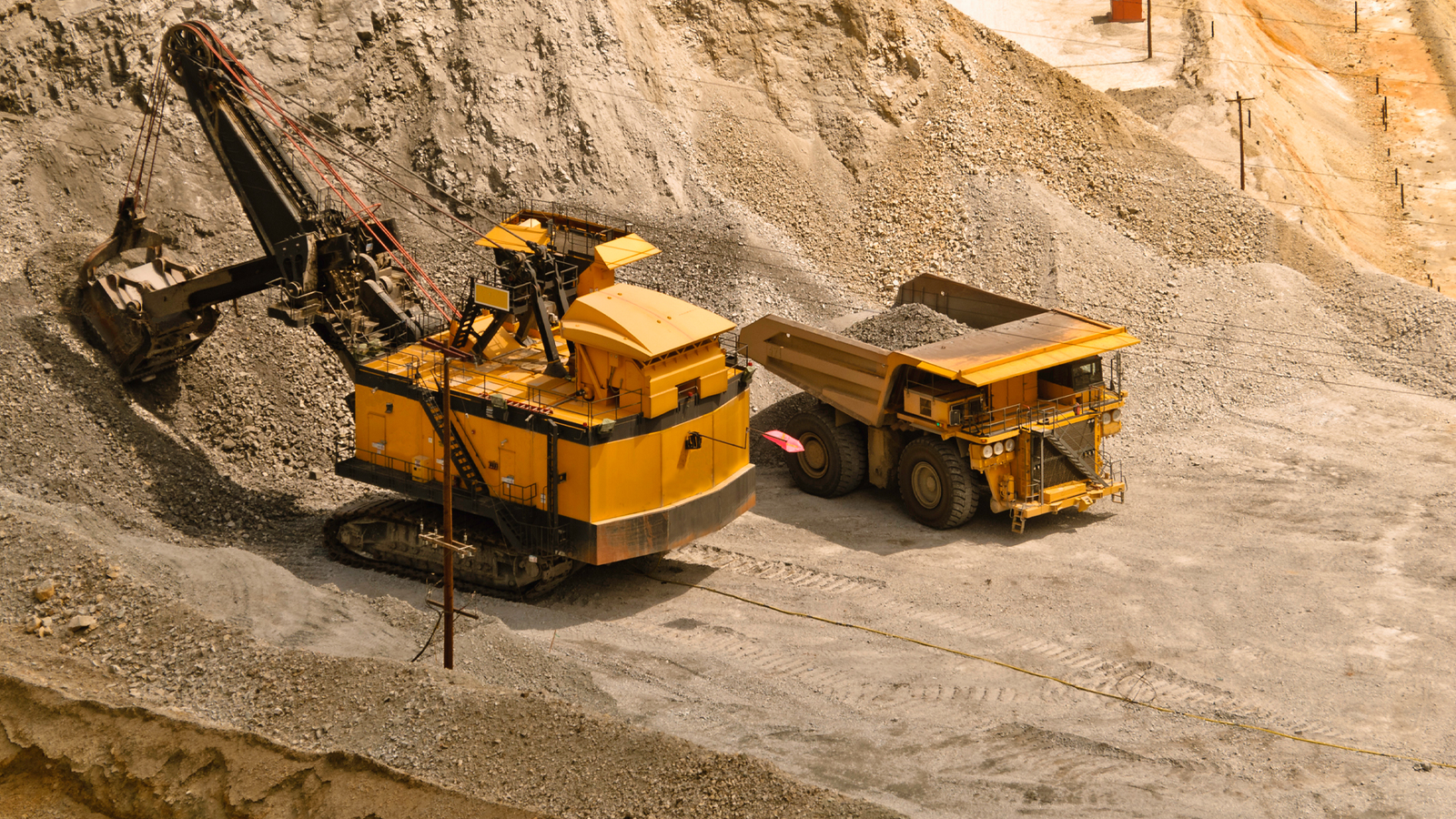
You select open-pit or underground mining based on ore depth, geometry, and grade distribution. Open-pit employs drill, blast, load and haul with large shovels and haul trucks for near-surface, bulk deposits.
Underground methods—block caving, cut-and-fill, and longhole stoping—apply when ore is deeper or higher grade. Each method balances ore recovery, dilution control, and ground support requirements.
You must plan waste rock and tailings placement, water management, and blasting patterns to control costs and environmental impact. Equipment choice, fuel use, and haulage distances strongly influence unit operating costs.
Processing and Refinement
You first crush and grind ore to liberate copper-bearing minerals. For sulfide ores, flotation concentrates the copper minerals into a product typically grading 20–30% Cu for smelting.
Oxide ores commonly go to hydrometallurgy—leach, solvent extraction, and electrowinning (SX-EW)—producing cathode copper at high purity without smelting. You monitor reagent types, grind size, and pulp chemistry to maximize recovery.
Smelting and refining follow for concentrates: smelters produce blister copper, which electrolytic refining converts to 99.99% cathode copper. You track energy use, sulfur dioxide controls, and byproduct credits (gold, silver, molybdenum) because they affect project economics and compliance.
Disclaimer
This article, “Copper Mining: Modern Techniques, Environmental Impacts, and Industry Outlook,” is provided for general informational and educational purposes only. While every effort has been made to ensure the accuracy and relevance of the information, mining practices, technologies, regulations, and market conditions may change over time and vary by region.
The content does not constitute technical, environmental, financial, or professional advice. Readers should consult qualified experts, industry professionals, or official regulatory sources before making decisions related to mining, investment, or environmental management.
The author and publisher are not responsible for any actions taken or outcomes resulting from the use of this information, and no guarantees are made regarding completeness, accuracy, or future industry developments.