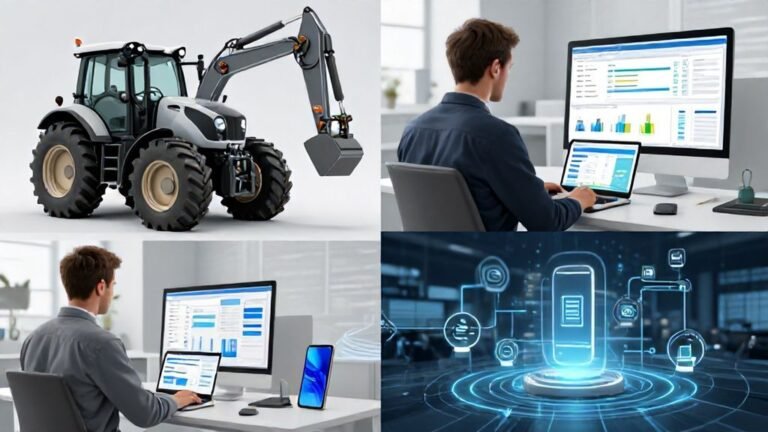
Digitizing the Field How Mobile Devices Are Revolutionizing Service Workflows
Traditional field service operations have long been anchored by paper. Technicians often start their day with a stack of work orders, clipboards, and pens. Throughout their shifts, they manually fill out forms, take detailed notes, and chase after customer signatures. This heavy reliance on paperwork frequently leads to operational inefficiencies, costly data entry errors, and communication delays.
The shift toward field service mobility is fundamentally changing this landscape. By equipping technicians with mobile devices such as smartphones and tablets, businesses are transforming their entire operational model. Outdated manual processes are being replaced with streamlined, digital workflows that cover everything from initial dispatch to final invoicing. This digital transformation is no longer optional; it is critical for improving efficiency, ensuring accuracy, and elevating the customer experience.
Transforming Work Order Management
The core of any field service operation is effective work order management. In a traditional, paper-based system, managing these orders is cumbersome and inefficient. Schedules are rigid and difficult to adjust, while dispatchers have limited visibility into a technician’s progress or exact location. Mobile workflows have completely redefined this process, providing agility and real-time oversight.
From Paper Stacks to Mobile Apps
With mobile field service solutions, work orders are transmitted directly to a technician’s handheld device. This simple change eliminates the need for technicians to report to a central office just to pick up daily assignments. Schedulers can dynamically assign jobs based on a variety of factors, including the technician’s specific skills, current location, and availability. This intelligent dispatching minimizes unnecessary travel time and maximizes the number of jobs that can be completed each day.
Technicians can view all necessary job details, including customer information, complete service history, and specific instructions, right on their devices. Any changes to a work order, such as a customer request or an alteration in scope, can be updated in real-time. This flexibility ensures that the information is always current, drastically reducing the chances of miscommunication or costly errors on-site.
Capturing Digital Proof and Streamlining Documentation
One of the most significant benefits of field service mobility is the ability to capture verifiable digital proof of service. Paper forms are notoriously prone to getting lost, damaged, or filled out incompletely. Digital documentation creates a secure, centralized, and reliable record of all work performed, which is essential for compliance, billing accuracy, and resolving potential customer disputes.
Securing E-Signatures and Visual Evidence
Instead of collecting physical signatures on a paper form, technicians can now have customers sign off on completed work directly on their mobile device’s screen. This straightforward action creates an immediate, legally binding record of service completion. The electronic signature is automatically time-stamped and attached to the digital work order, streamlining the entire approval and invoicing process.
Mobile devices also empower technicians to capture photos and videos as irrefutable digital proof. They can document the condition of equipment before and after a repair, provide visual evidence of a properly completed installation, or record any unusual site conditions. This visual documentation adds a powerful layer of transparency and accountability that traditional paper records simply cannot match, protecting both the customer and the company.
Standardizing Reports with Digital Forms
Mobile applications replace cumbersome paper checklists and inspection forms with standardized digital versions. These forms guide technicians through required steps, ensuring that no critical information is ever missed. Organizations can create customized templates for different job types, such as safety audits, compliance checks, or preventive maintenance routines, ensuring consistency across the entire workforce.
Many digital forms can also be configured to auto-populate with known information, such as customer details or equipment serial numbers, further saving time and reducing the burden of manual entry. Once completed, these forms are instantly synced back to the central system, making data immediately available for analysis, reporting, and invoicing. This automation significantly accelerates the workflow from job completion to payment.
Integrating Tools for Precision and Speed
Modern field service mobility extends beyond basic applications. Integrating mobile devices with other technologies further enhances efficiency and accuracy on-site. These integrations help automate tedious data collection tasks and provide technicians with powerful tools to perform their jobs more effectively and with greater confidence.
This integration is particularly key for managing parts and assets. Instead of manually writing down long serial numbers, technicians can use a device like a mobile tera computer to quickly scan equipment tags or parts used for a repair. The data is instantly and accurately logged into the work order, eliminating typographical errors and creating a perfect digital trail for both inventory and asset management.
This seamless data capture ensures that billing is precise and that inventory levels are updated in real-time, preventing stockouts of critical parts. It also provides a detailed and accessible maintenance history for each asset, which is invaluable for predictive maintenance strategies and future service calls. By connecting mobile devices to specialized hardware, businesses empower their technicians with the tools needed for precise and rapid documentation.
Conclusion
The move from paper-based processes to mobile workflows marks a fundamental and necessary evolution in field service operations. By leveraging mobile devices, businesses can achieve unprecedented levels of efficiency in work order management. Digital proof of service, including e-signatures and rich visual documentation, enhances accountability and strengthens customer trust. Furthermore, standardized digital forms streamline compliance and reporting while drastically reducing administrative burdens.
Ultimately, field service mobility empowers technicians to focus on what they do best: delivering exceptional service. With instant access to critical information, real-time communication channels, and integrated tools for accurate data capture. They are better prepare to resolve issues on the first visit. Embracing these digital workflows is no longer just an option but a competitive necessity for companies looking to thrive in a demanding, fast-paced market.
Disclaimer
The information provided in this article is for general informational purposes only and is not intended as professional, legal, or business advice. While every effort has been made to ensure the accuracy and reliability of the content. The implementation of field service mobility solutions may vary based on specific organizational needs, industry regulations, and technology platforms. Companies should perform their own due diligence and consult qualified professionals before making operational, technological, or strategic decisions. The author and publisher assume no responsibility or liability for any errors, omissions, or outcomes resulting from the use of the information provided in this article.