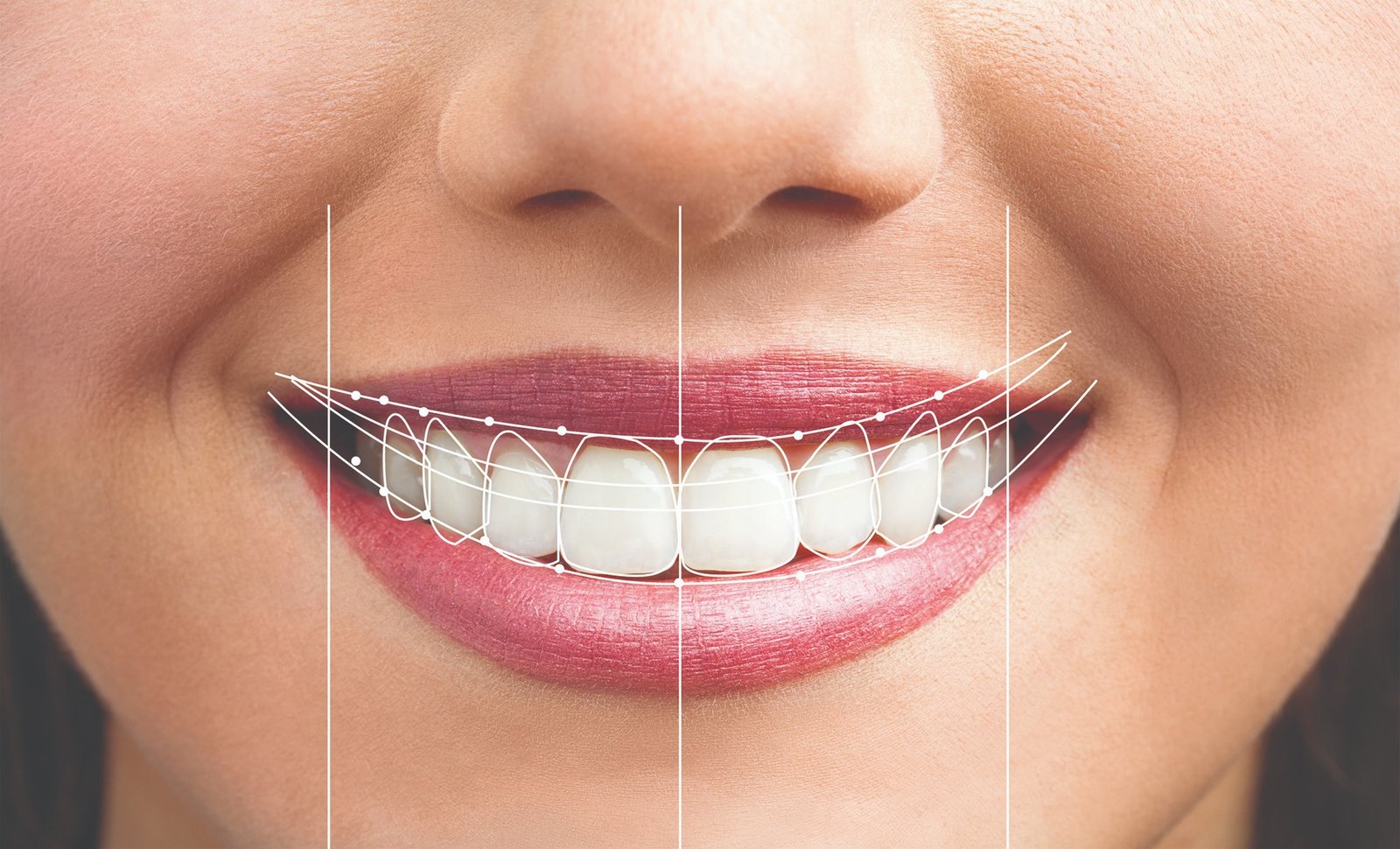
Digital Smile Design: The Authority Guide to Lifestyle Tech-Powered Aesthetic Dentistry
Digital Smile Design (DSD) has swiftly become one of the most influential innovations in modern aesthetic dentistry. Its rise reflects a broader movement in healthcare toward precision, personalization, and lifestyle-aligned outcomes. Unlike traditional cosmetic dental planning, DSD blends digital imaging, facial analysis, and behavioural insights to create smiles that are not only visually harmonious but also authentically suited to the patient’s personality and daily life. By incorporating advanced software, high-resolution photography, and 3D modelling, clinicians can communicate more effectively with patients, set realistic expectations, and deliver aesthetic outcomes that feel natural and empowering.
At the heart of this new era is a patient-centred approach enhanced by digital smile design. This methodology moves far beyond visual enhancement; it anchors cosmetic dentistry in empathy and meticulous communication. Dentists are now able to show patients simulations of their future smiles before treatment begins, fostering trust and shared decision-making. This is especially valuable for individuals who feel uncertain about cosmetic procedures or who have difficulty visualizing potential results. Through the integration of facial mapping, smile dynamics, and digital mock-ups, DSD allows the clinician to design with intention, ensuring every adjustment—from tooth shape to gum contouring—aligns with the patient’s facial proportions, lifestyle, and emotional expression.
Learn more about how this transformative approach works in clinical practice by visiting the service page at Digital Smile Design.
The Lifestyle Technology Behind Digital Smile Design
DSD is not simply a tool—it is a workflow powered by evolving dental technologies. High-definition photography, digital scanners, and 3D printers all contribute to a streamlined and highly accurate process. These technologies reduce the guesswork often involved in cosmetic procedures and replace it with data-driven precision. By integrating digital records and images, clinicians can analyse dental proportions, symmetry, and bite alignment with far greater clarity than traditional methods allow.
Lifestyle dentistry also plays a significant role in the DSD philosophy. Patients today seek not only healthy teeth but smiles that reflect their identity—whether professional, social, or personal. Technology makes this achievable by bridging subjective aesthetic desires with objective design principles. The result is a tailored treatment plan that respects functional biomechanics while enhancing overall appearance.
Co-Diagnosing and Enhancing Patient Engagement
One of the most powerful benefits of digital smile design is co-diagnosis. When patients see their own images transformed into a digital mock-up, they become active participants in the planning process. This transparency leads to more informed decisions and significantly reduces anxiety. It also improves communication between the dentist and patient, ensuring both parties share clear, visual expectations for the final outcome.
The enhanced communication extends beyond the clinic. Dentists can now send secure digital previews, treatment breakdowns, and progress updates, helping patients reflect on their decisions comfortably from home. This seamless exchange of information also strengthens long-term patient relationships and promotes better maintenance habits after treatment.
The Role of Digital Workflows in Predictable Aesthetic Outcomes
Predictability is essential in aesthetic dentistry, and digital workflows offer remarkable reliability. Using 3D simulations and intraoral scans, clinicians can fabricate precise restorations such as veneers, crowns, and aligners that match the digital design perfectly. This tight integration between planning and production reduces chair time, minimizes errors, and improves overall patient satisfaction.
Furthermore, digital tools enable dentists to test different smile designs without making irreversible changes. Temporary mock-ups can be printed and tried intraorally, giving patients a real-world preview of their future smile. This reduces the fear of committing to cosmetic treatment and provides the dentist with accurate functional feedback before finalizing the design.
Collaboration and the Future of DSD
As dentistry continues embracing digital transformation, collaboration among specialists becomes increasingly essential. Orthodontists, prosthodontists, periodontists, and cosmetic dentists can share data, scans, and visual plans instantly, ensuring every aspect of treatment is aligned. This interconnected workflow enhances outcomes for complex cases requiring multidisciplinary expertise. Moreover, advanced cloud platforms are strengthening this collaborative ecosystem. Secure digital environments allow practitioners and laboratories to share information, update treatment plans, and monitor patient progress with unprecedented speed and accuracy. These platforms support DSD’s core objective: delivering personalized, lifestyle-driven aesthetic care with maximum precision. To explore how emerging platforms support this level of digital integration, see how cloud-based dental software enables real-time collaboration in the evolving dental landscape.
Disclaimer:
This content is provided for informational and educational purposes only and is not intended as medical, dental, or professional advice. Digital Smile Design (DSD) procedures, outcomes, and suitability vary depending on individual dental health, facial anatomy, and clinical circumstances. Any treatment decisions should be made in consultation with a qualified and licensed dental professional who can assess your specific needs and provide personalized recommendations.
The technologies, workflows, and benefits described may not be available in all clinics and do not guarantee specific aesthetic or functional results. Simulations and digital mock-ups are predictive tools and may differ from final outcomes. Always seek professional evaluation and advice before undergoing any cosmetic or restorative dental treatment.